Garret Mountain – May 15th – 17th, 2013

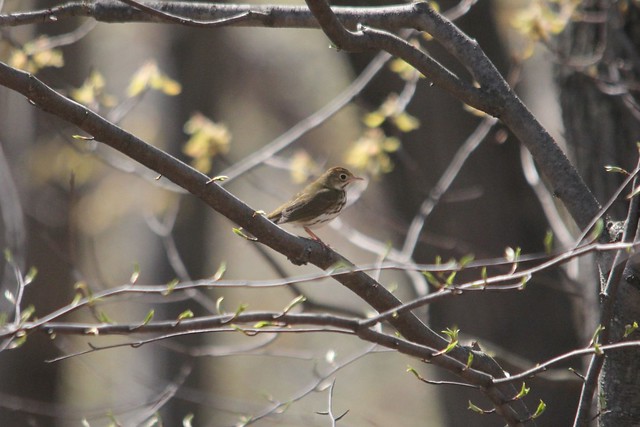
Olive-sided Flycatcher

Olive-sided Flycatcher

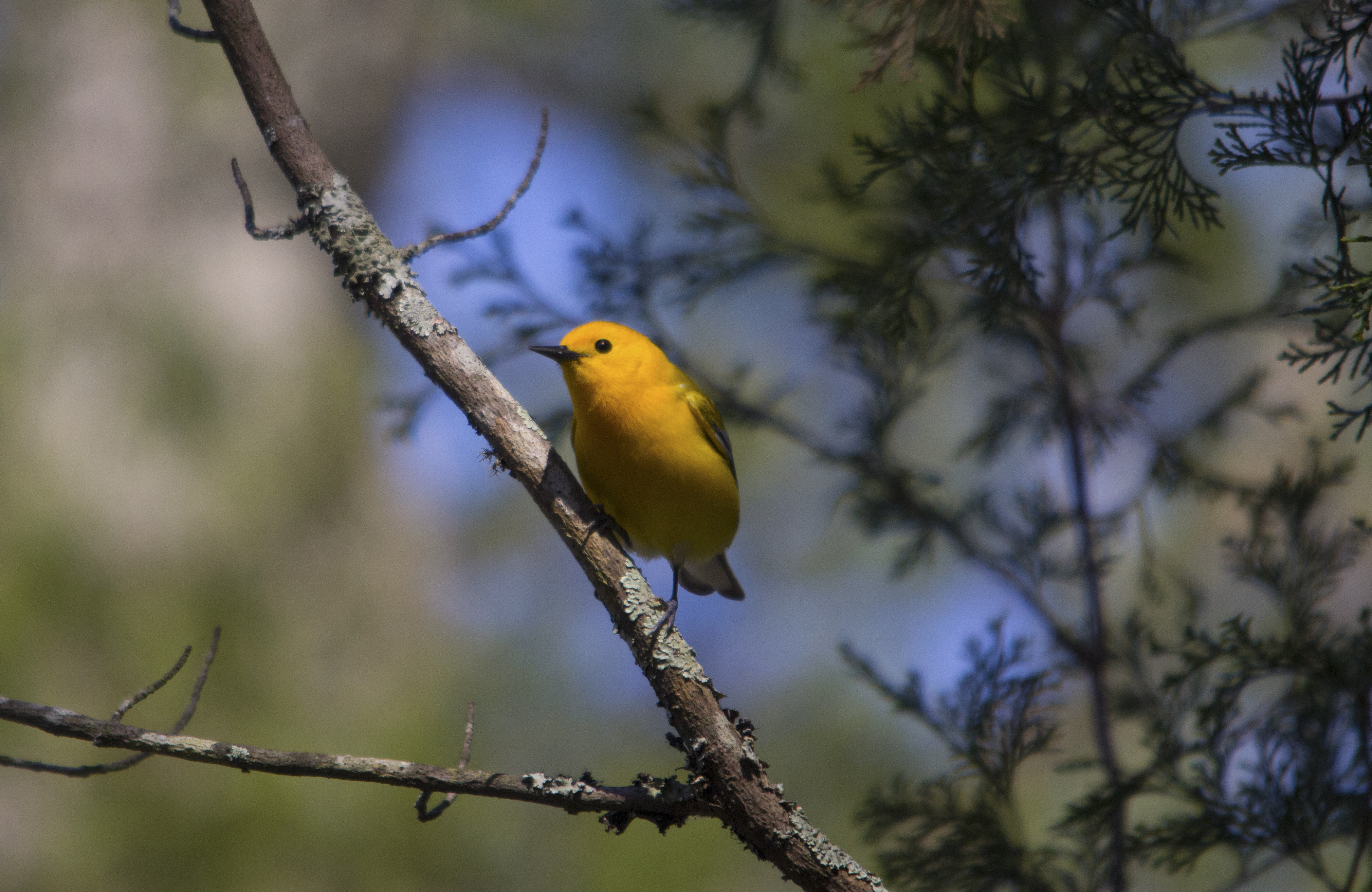
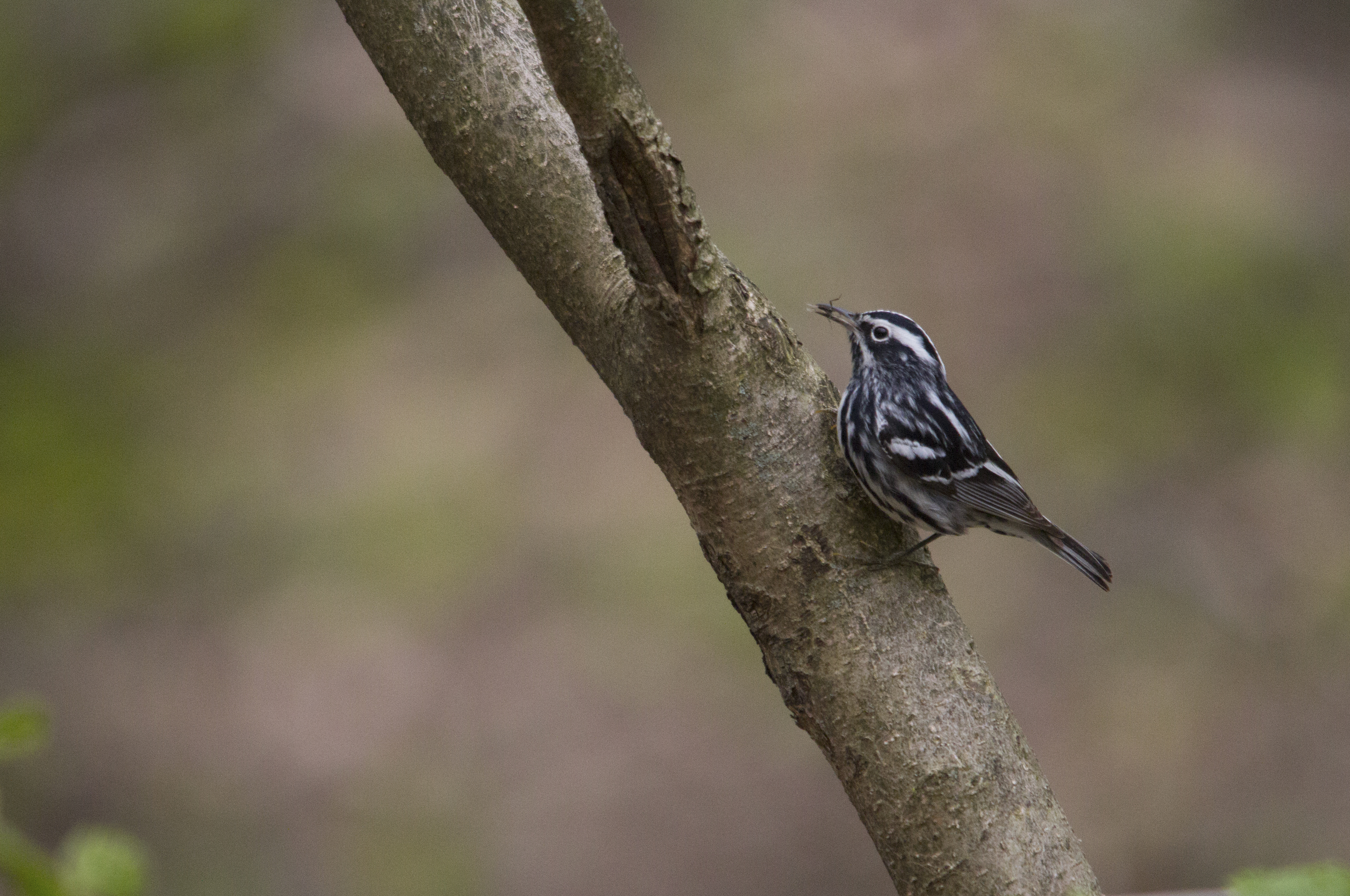
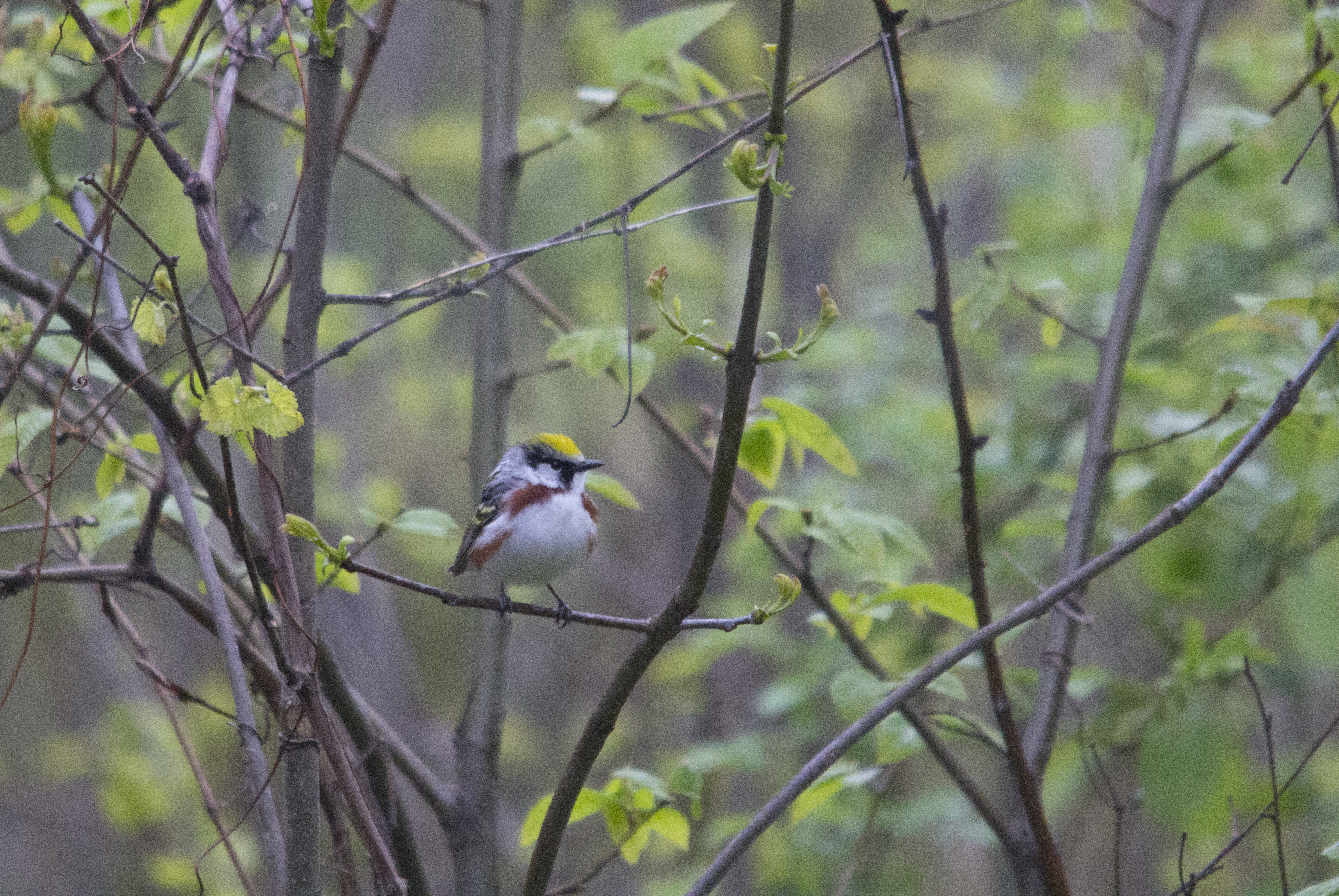
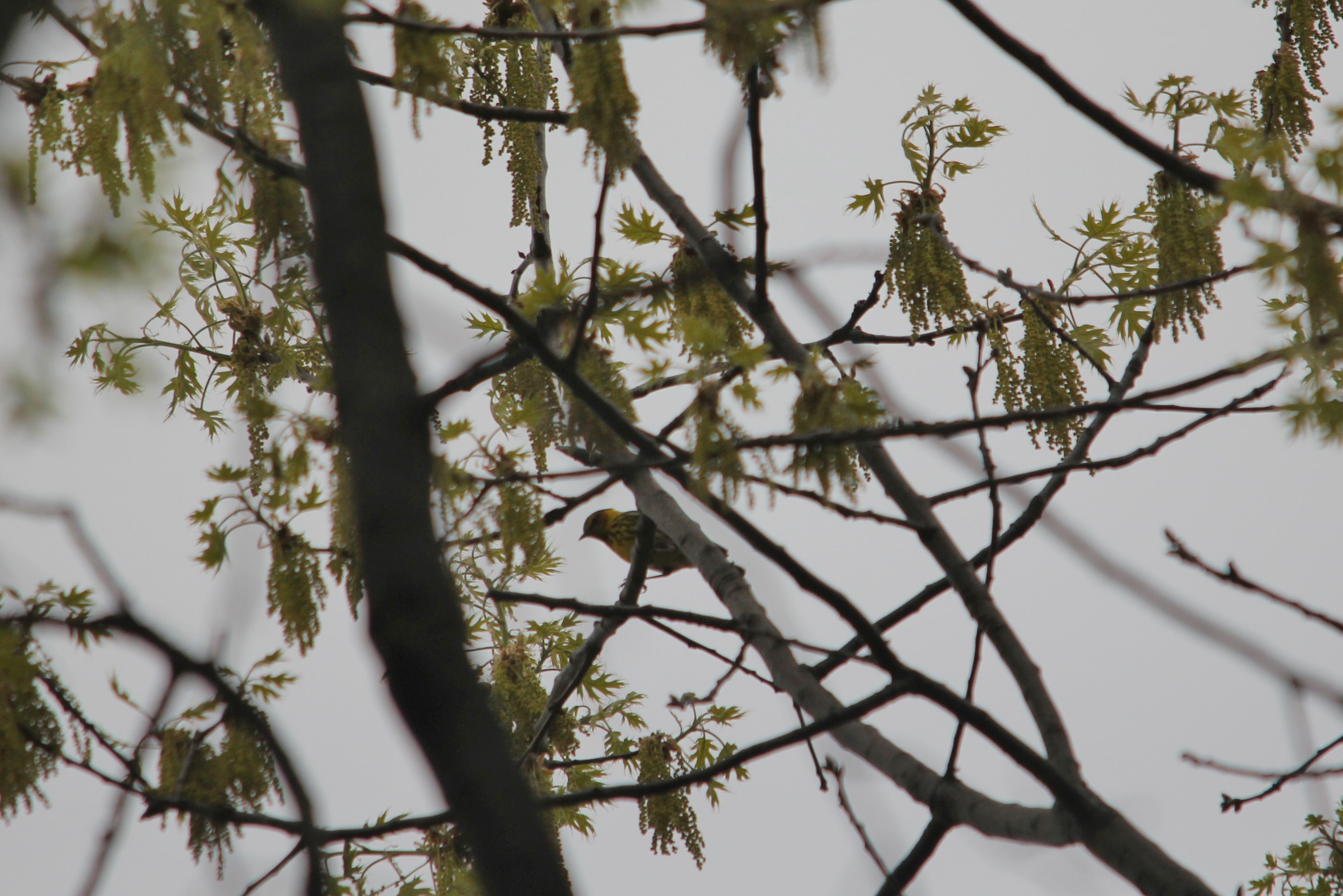
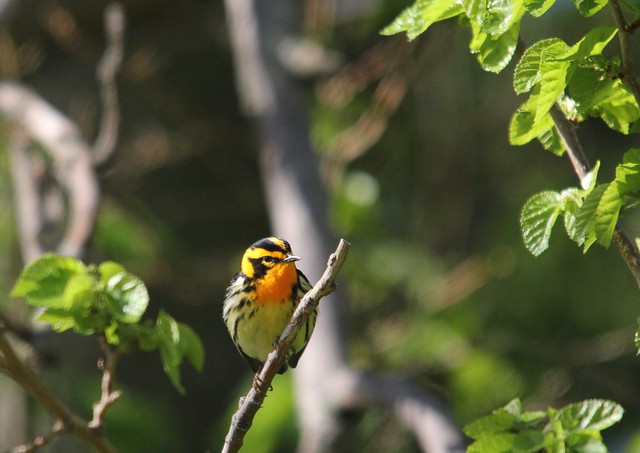
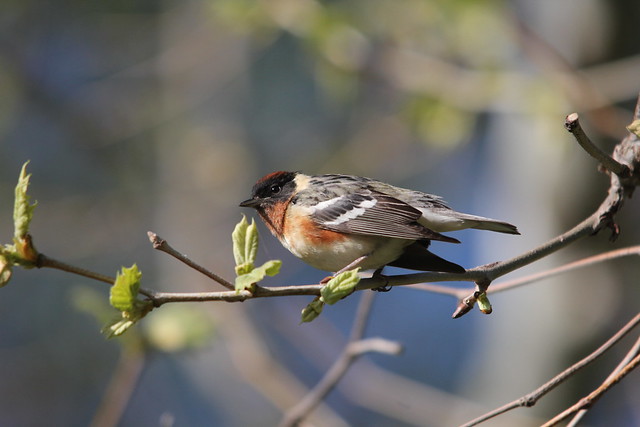
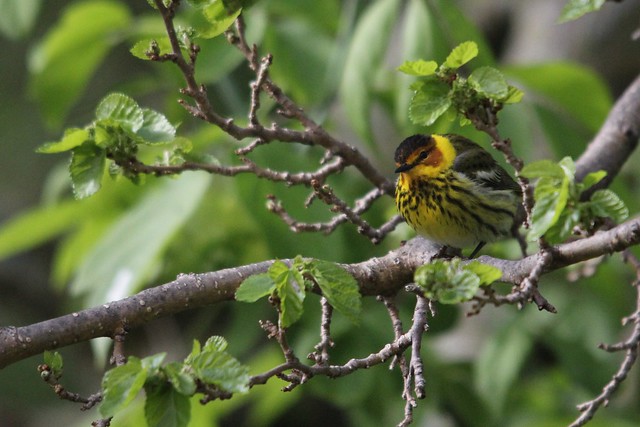
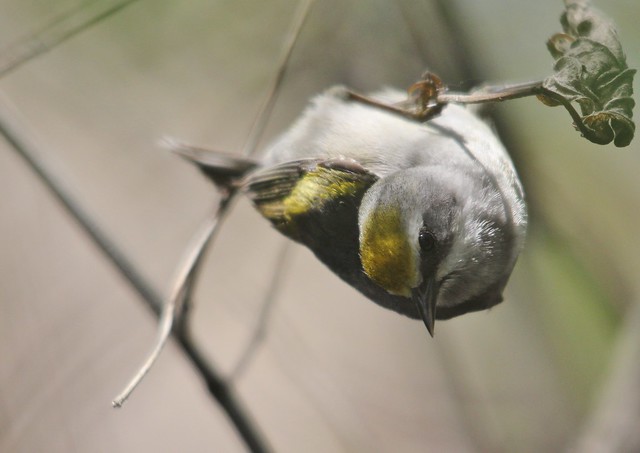
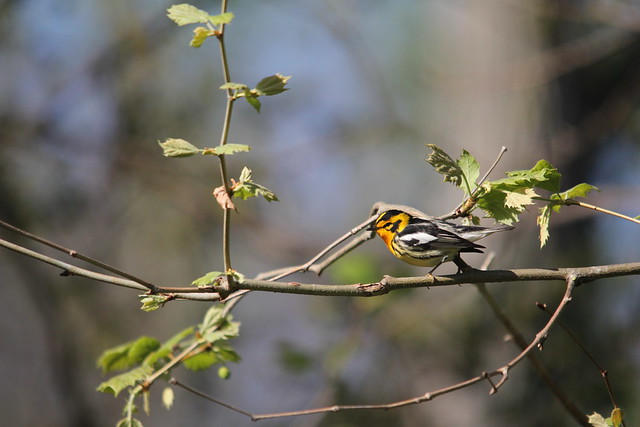
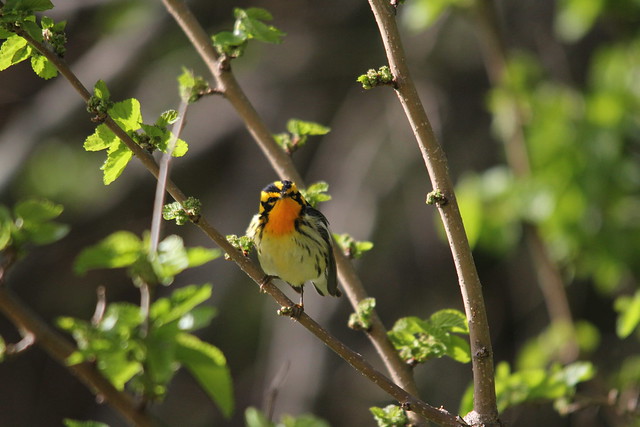
A really nice week of birding this week at Garret! I had 26 different Warbler species and had Blackburnian, Bay-breasted, Blackpoll, and Cape May almost daily (in my experience these are all tough to get). Although not the big fallout days where birds were dripping off all the trees, there have been strong large flocks of birds that can be found and then identified. I am sure my improved song recognition has helped this year as many were found after hearing them sing and then tracking them down. On Thursday, a pair of Wilson’s Warblers and finally a Lincoln’s Sparrow. On Friday, nice looks at Tennessee and an Olive-sided Flycatcher!

Always fun seeing the birds and birders at Garret in the Spring! Also, at the end of this post I am including a map of Garret with suggested birding routes for people new to the park. I know I would have like to have this information starting out as the big park can be frustrating when the part you are at is quite yet people keep reporting great birds! Just keep on moving along through the park and you are bound to come across singing flocks. The green, haphazardly done lines are for morning (I like to start at the top of Garret if you are there early) and then the red if you get there in the mid-day or afternoon. Of course it is always variable and any part of the park can be amazing but this is based on my experience and the places I like to bird. I will put up another post next week with a final list of the Garret birds seen. For today just some pictures from the week and the map. Good Spring Birding All!

Tennessee Warbler

Tennessee Warbler

Lincoln's Sparrow

Lincoln’s Sparrow

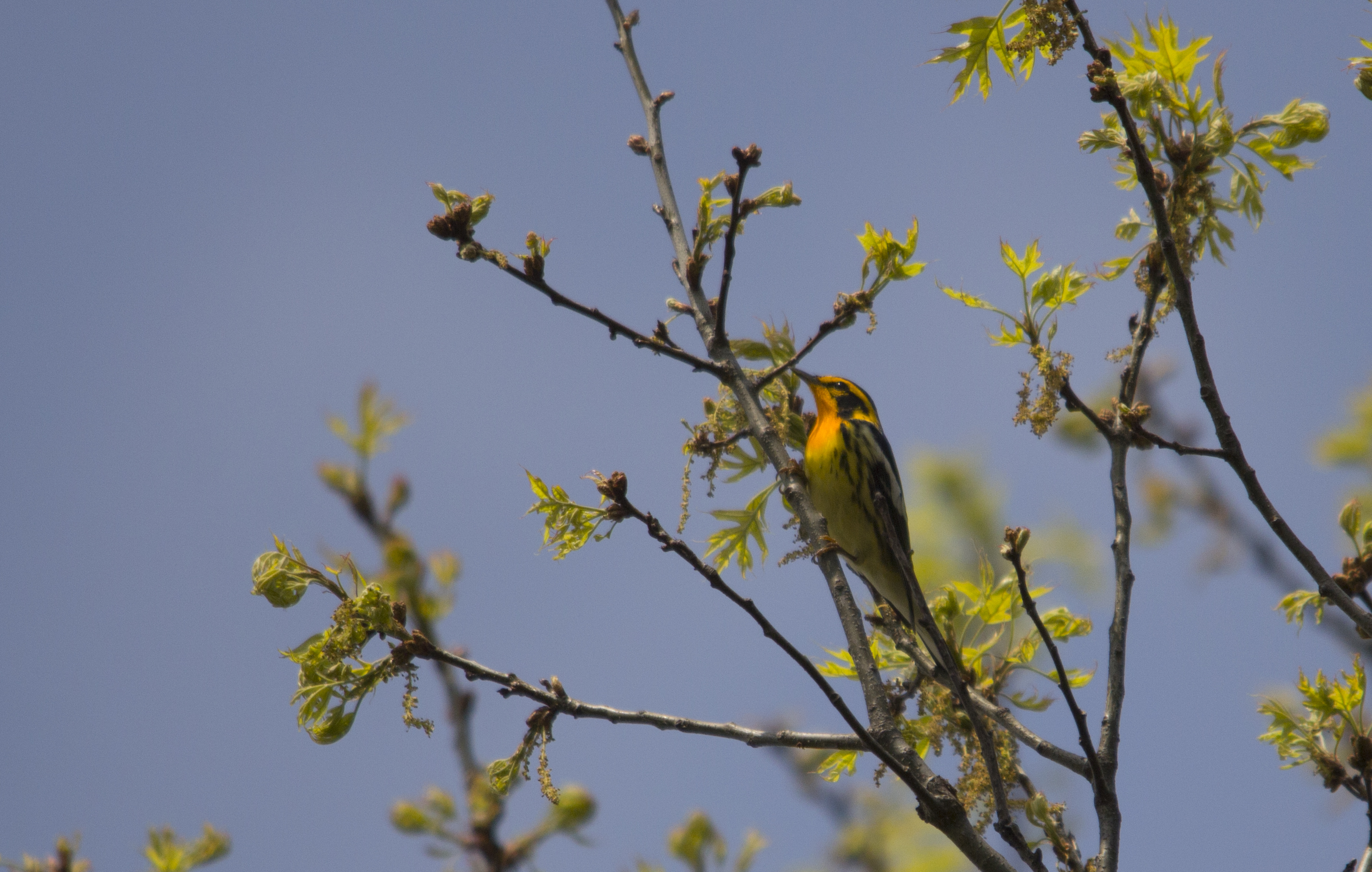
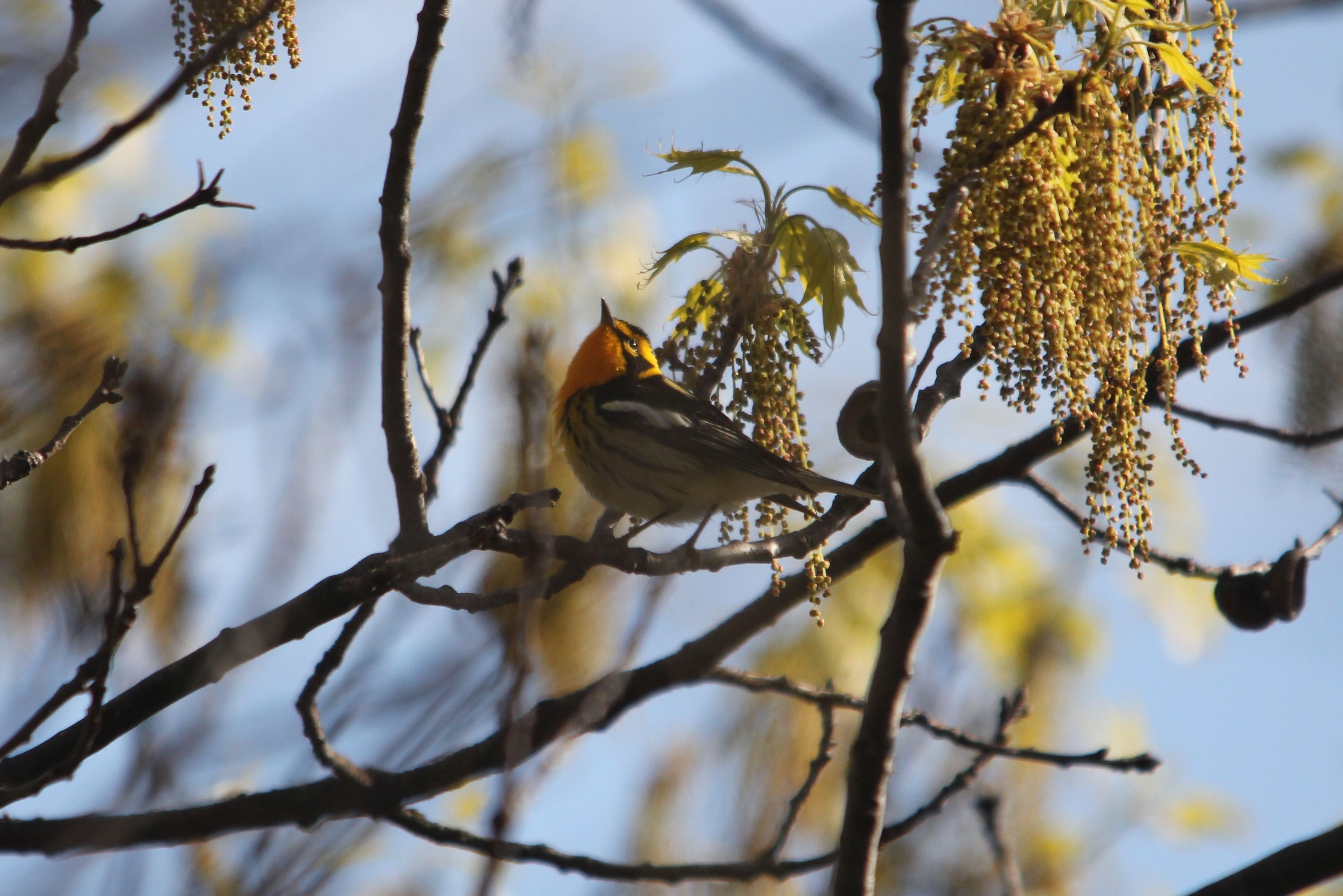
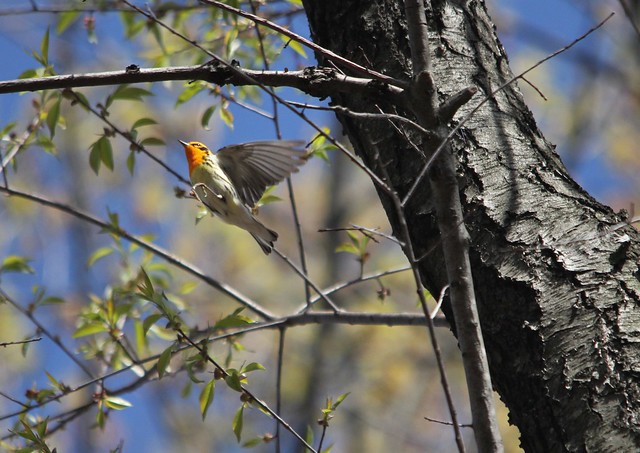
Blackburnian Warbler

Blackburnian Warbler

Wilson's Warbler

Wilson’s Warbler

And below finally just some of my suggestions on Garret Mountain birding routes: (Green if you start in the morning and then do Red.  If you start in the afternoon/mid-day I usually just do the Red)

 photo GarretPath_zpse3858f8f.jpg

 More Pics at our Flickr Site!

Full Story »

Garret Mountain – Picture Day! May 10th, 2013

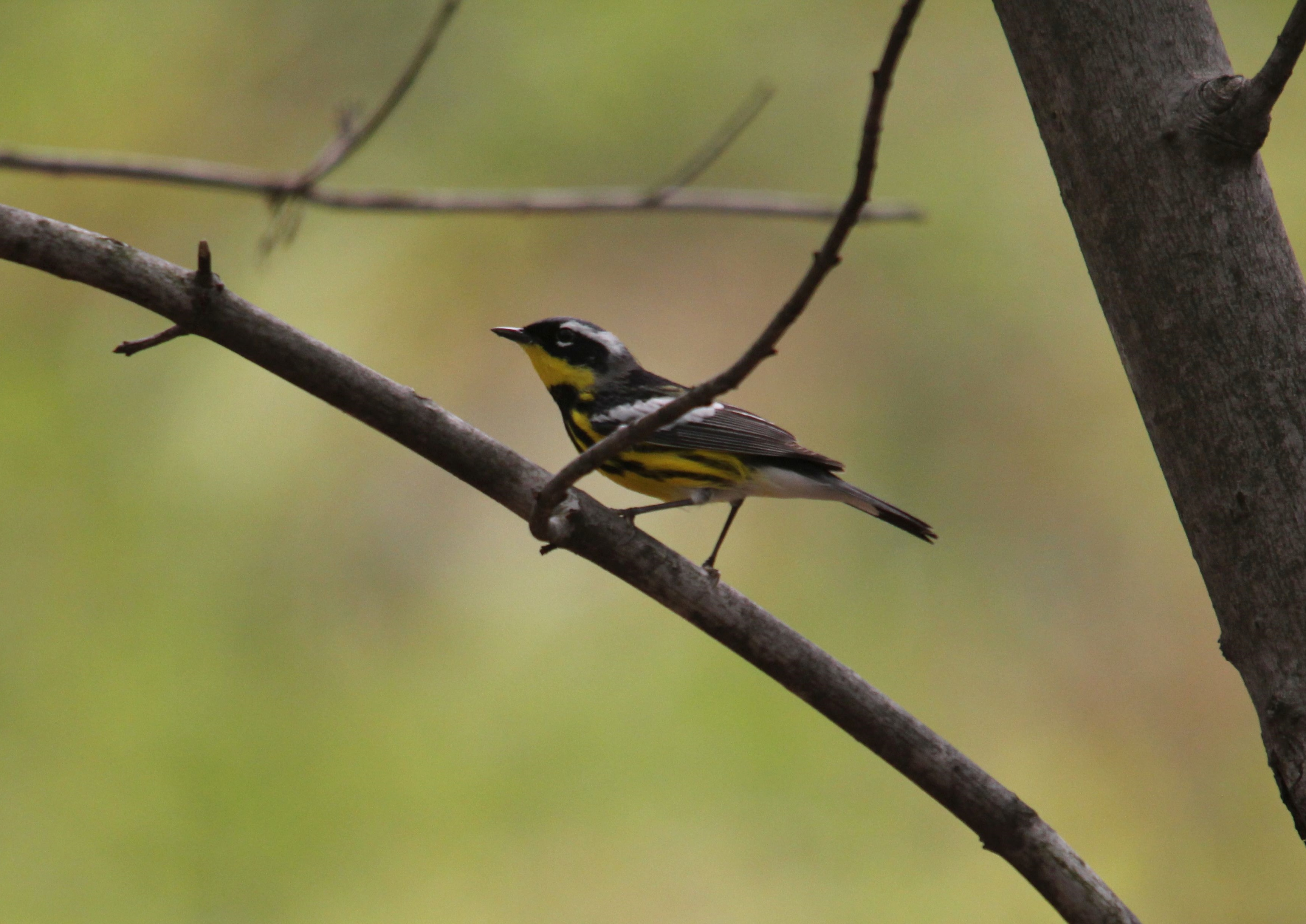
Magnolia Warbler

Magnolia Warbler
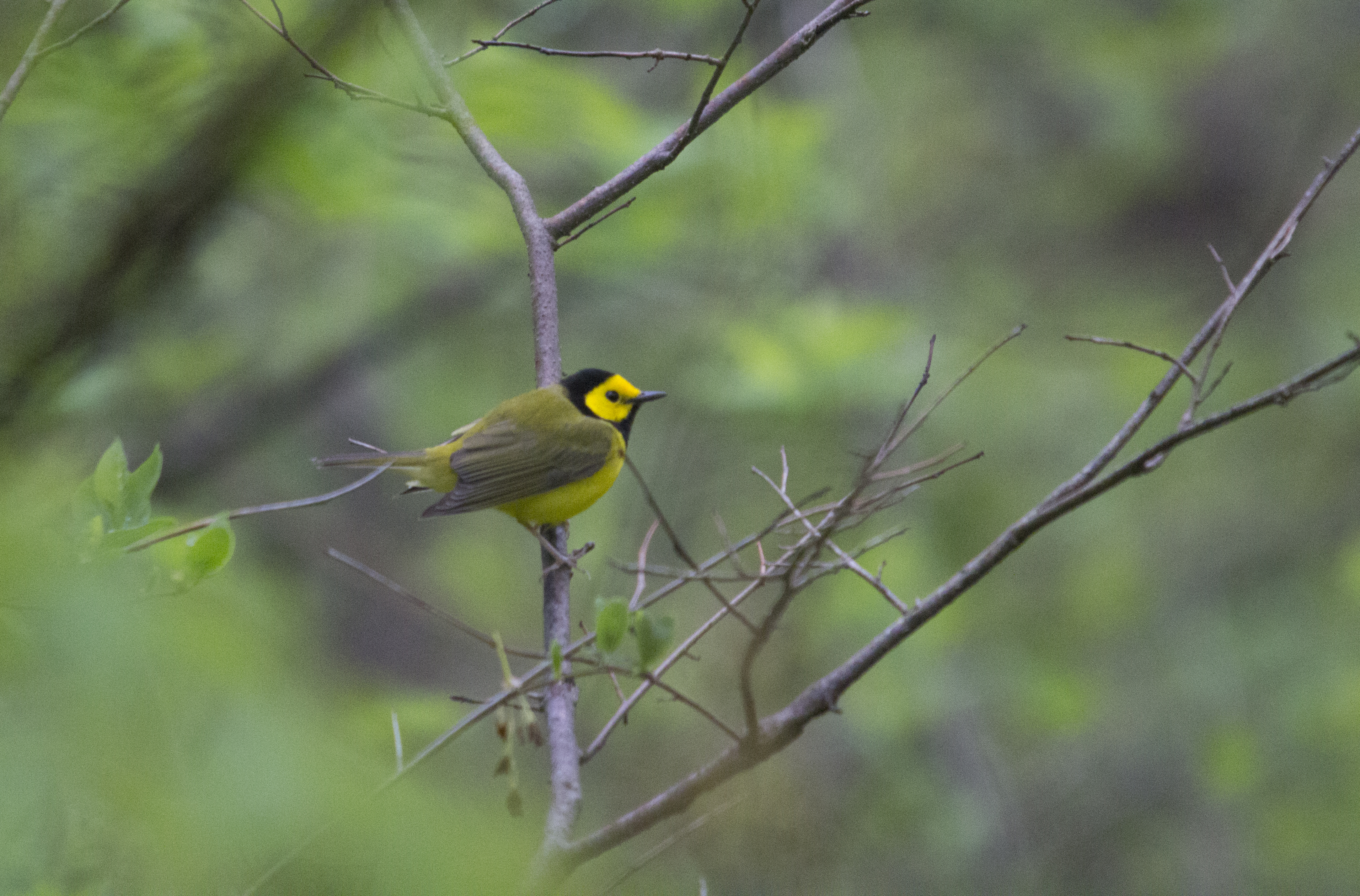
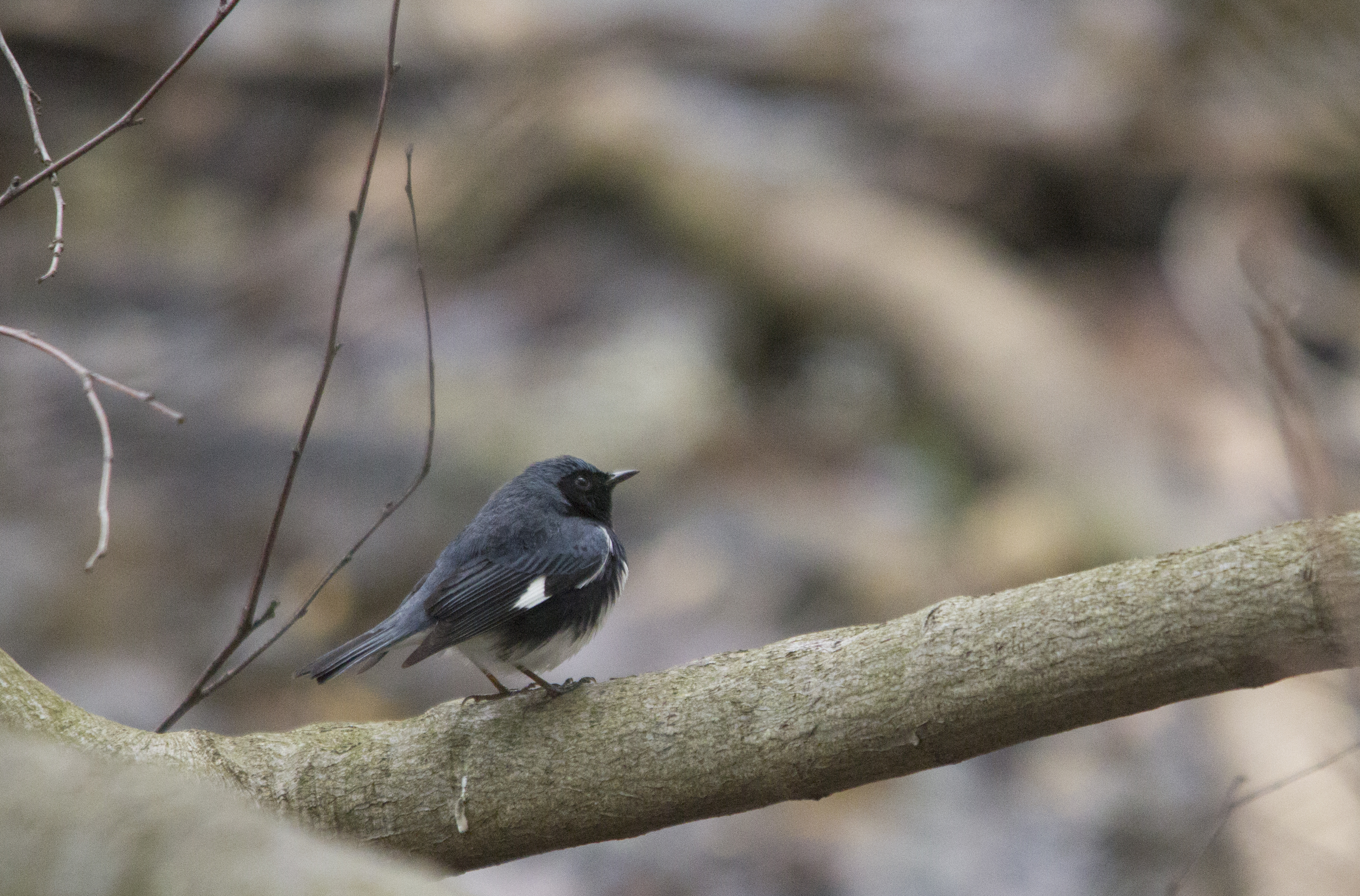
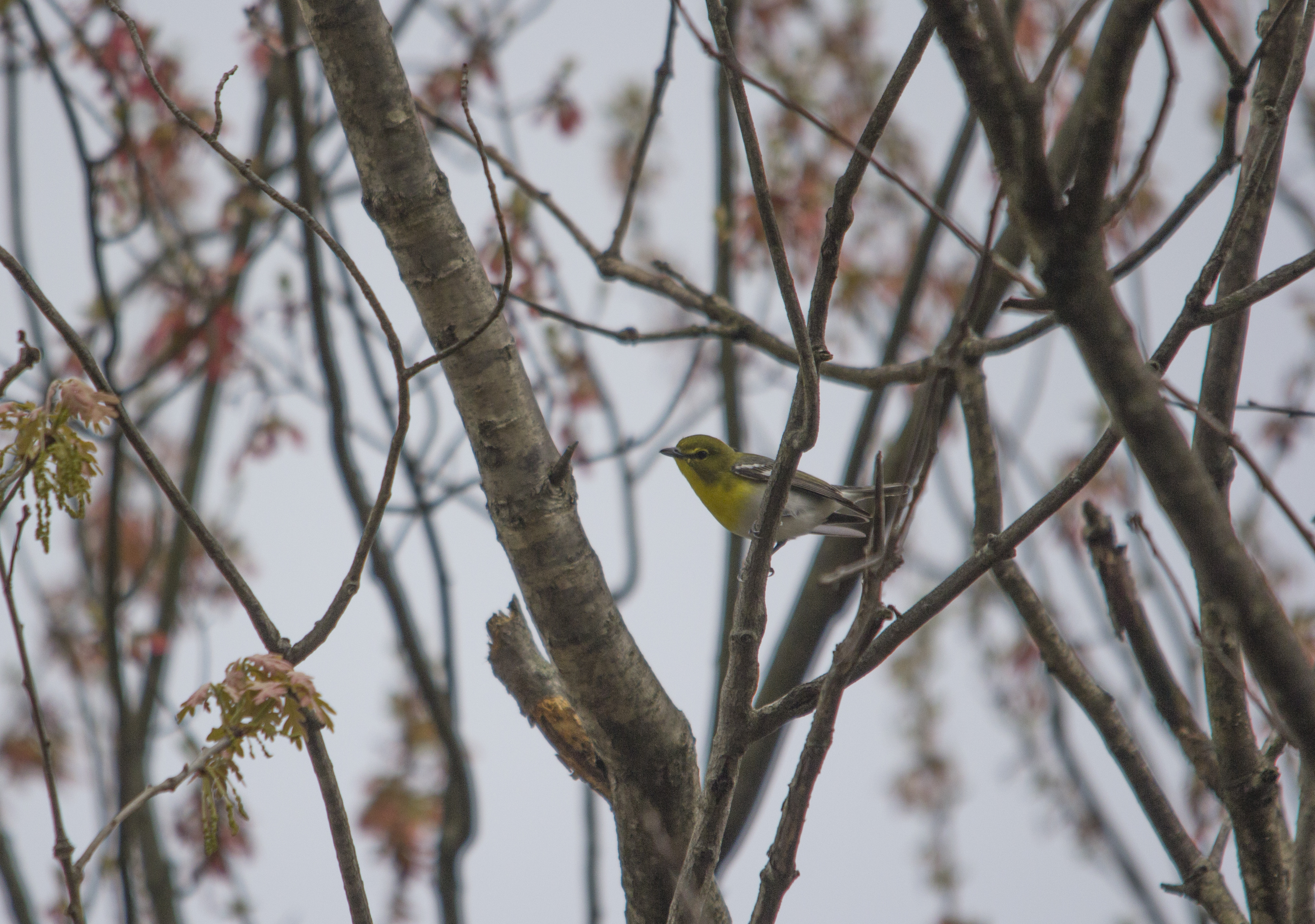
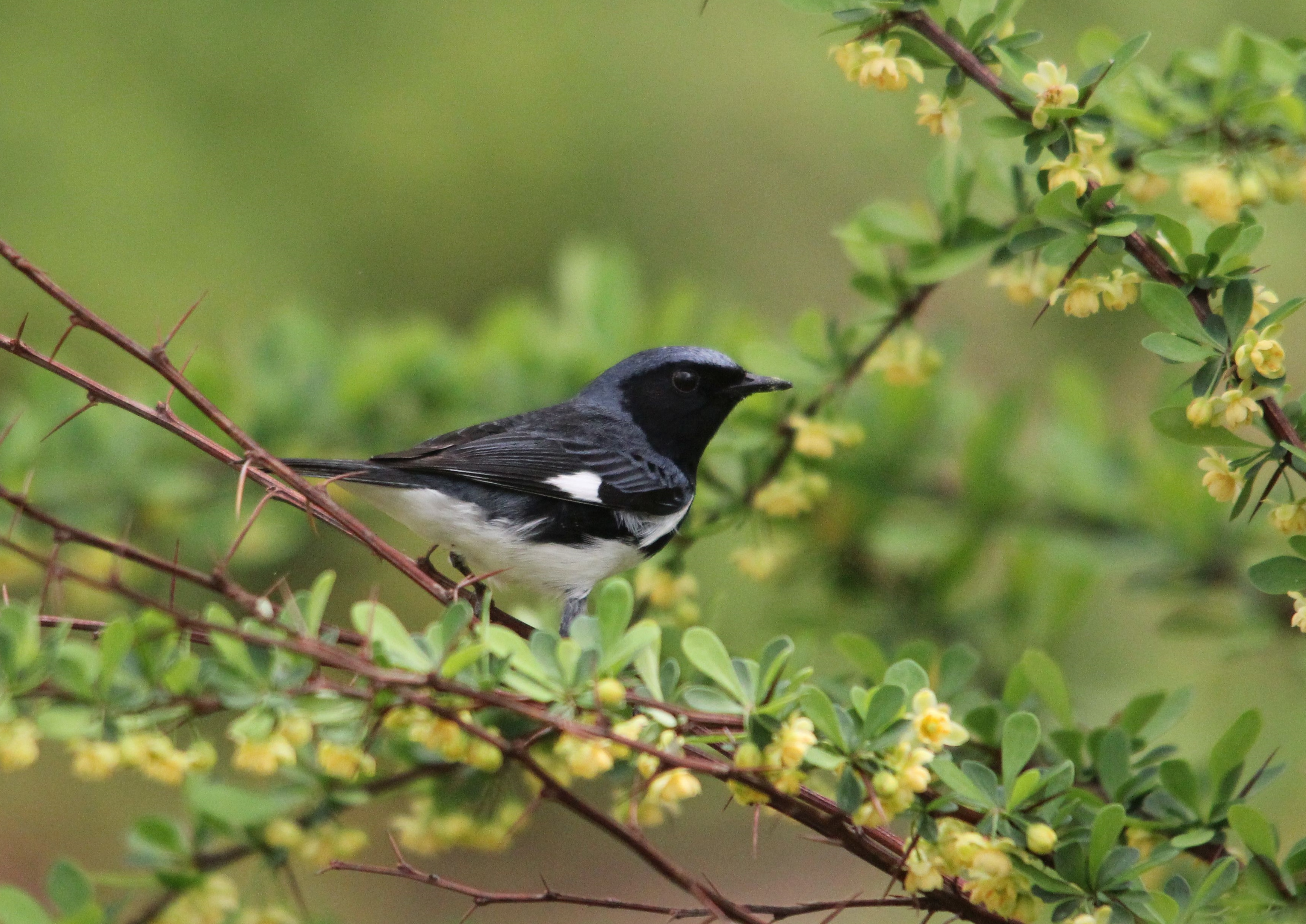
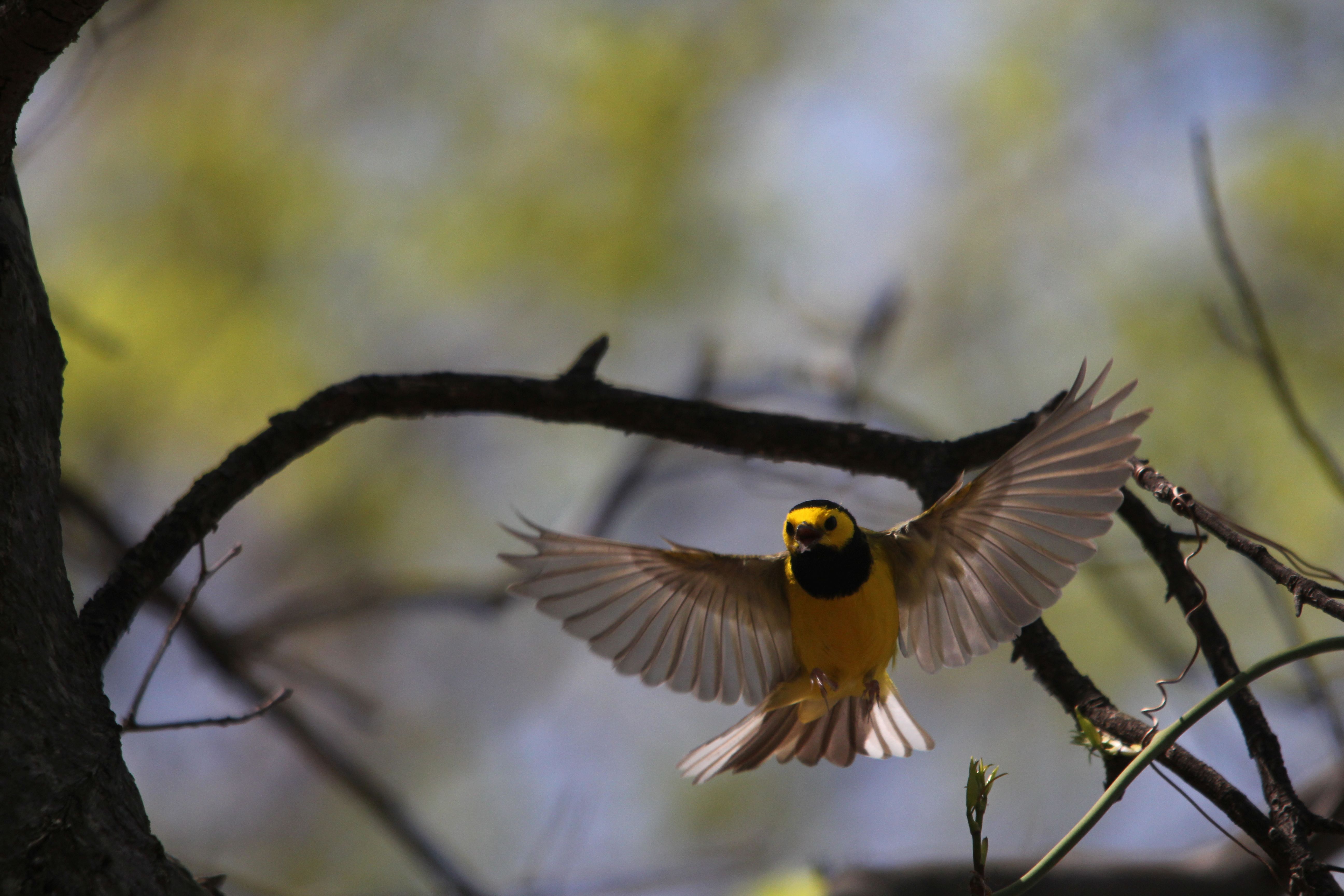
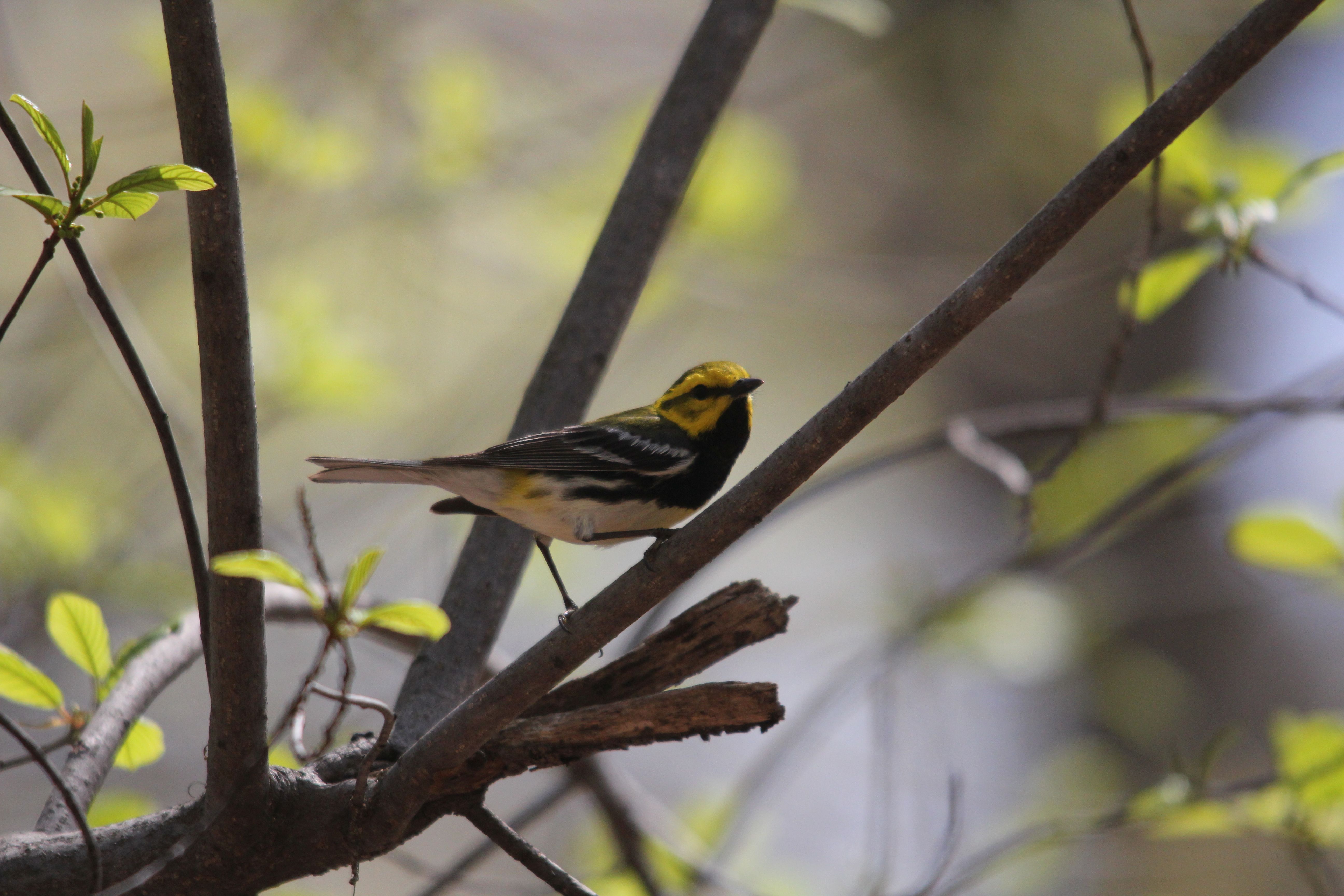
You know its a good day of birding when you get home and still hear bird song in your head. I was watching the Rangers swearing there was a Black-throated Blue Warbler at the game. Anyways, it was another good day at Garret! 17 Warbler species and 4 Vireo! Picked up a singing Hooded Warbler 2 calling Blue-winged Warbler and multiple Magnolia Warbler that I didn’t see yesterday. It must have been picture day because there was an amazing Magnolia on Wilson who wanted his picture taken and a super cooperative Black-throated Green Warbler near the pond where the Warbling Vireo and Blue-gray Gnatcatchers hang out.  My favorites of the day were two towards the end of the day in a single Bay-breasted Warbler (on the hill on Wilson) and a Yellow-throated Vireo (behind the Boat House building on the pond up the stream a ways).  If the weather holds it should be another good day for the World Series of Birding at Garret! Will probably see many teams starting there tomorrow morning.

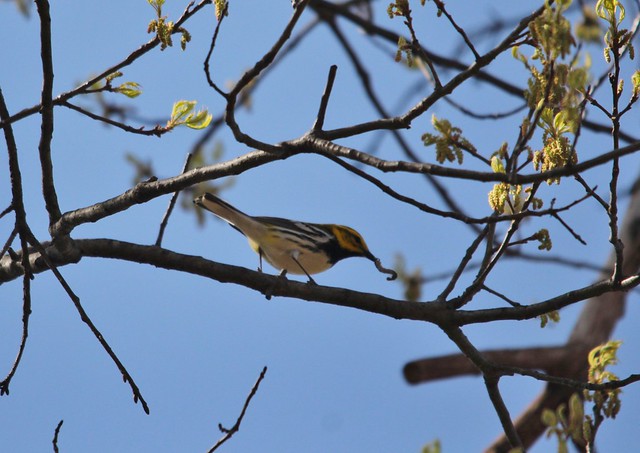
Black-throated Green WarblerBlack-throated Green Warbler

Some of the numbers:

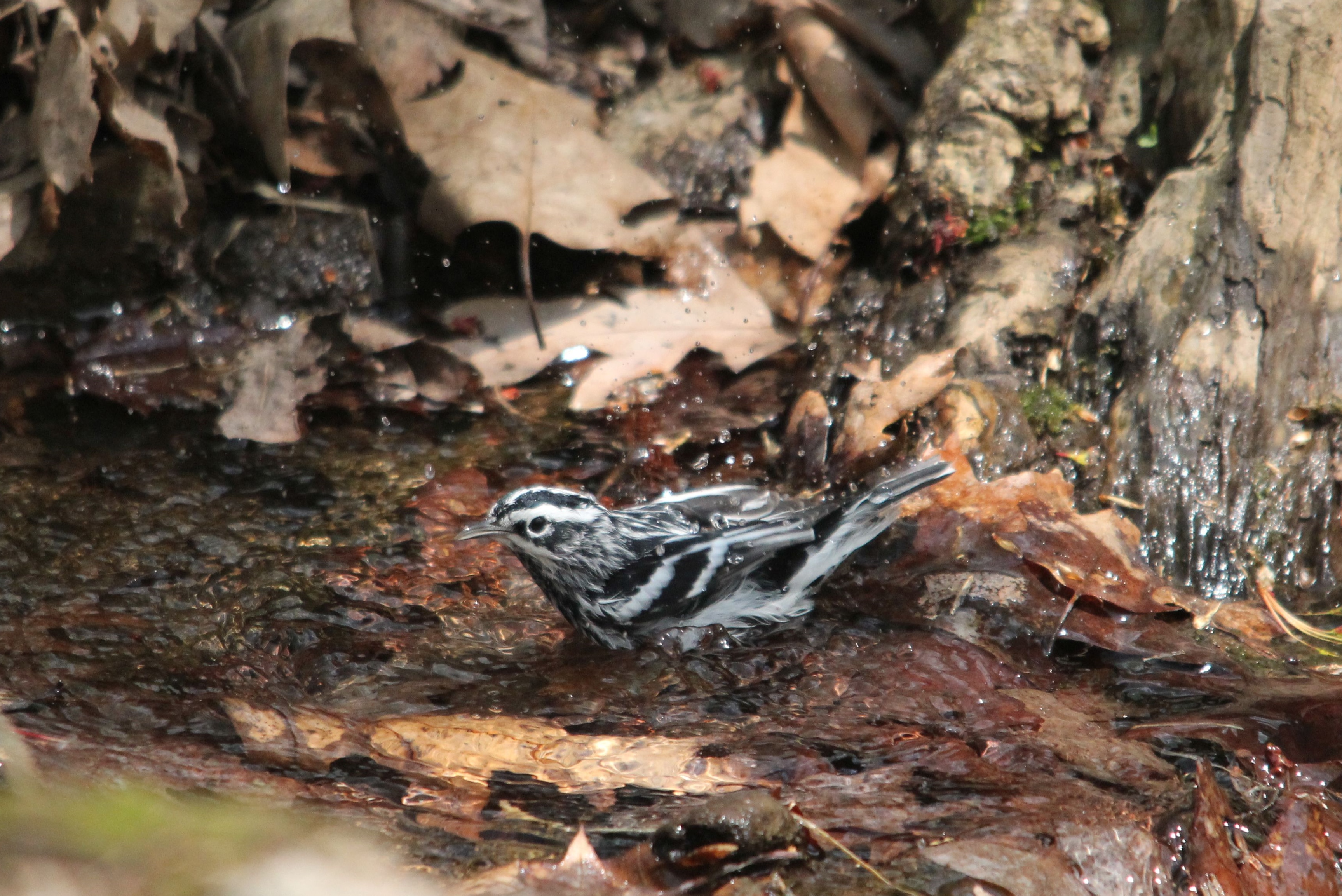
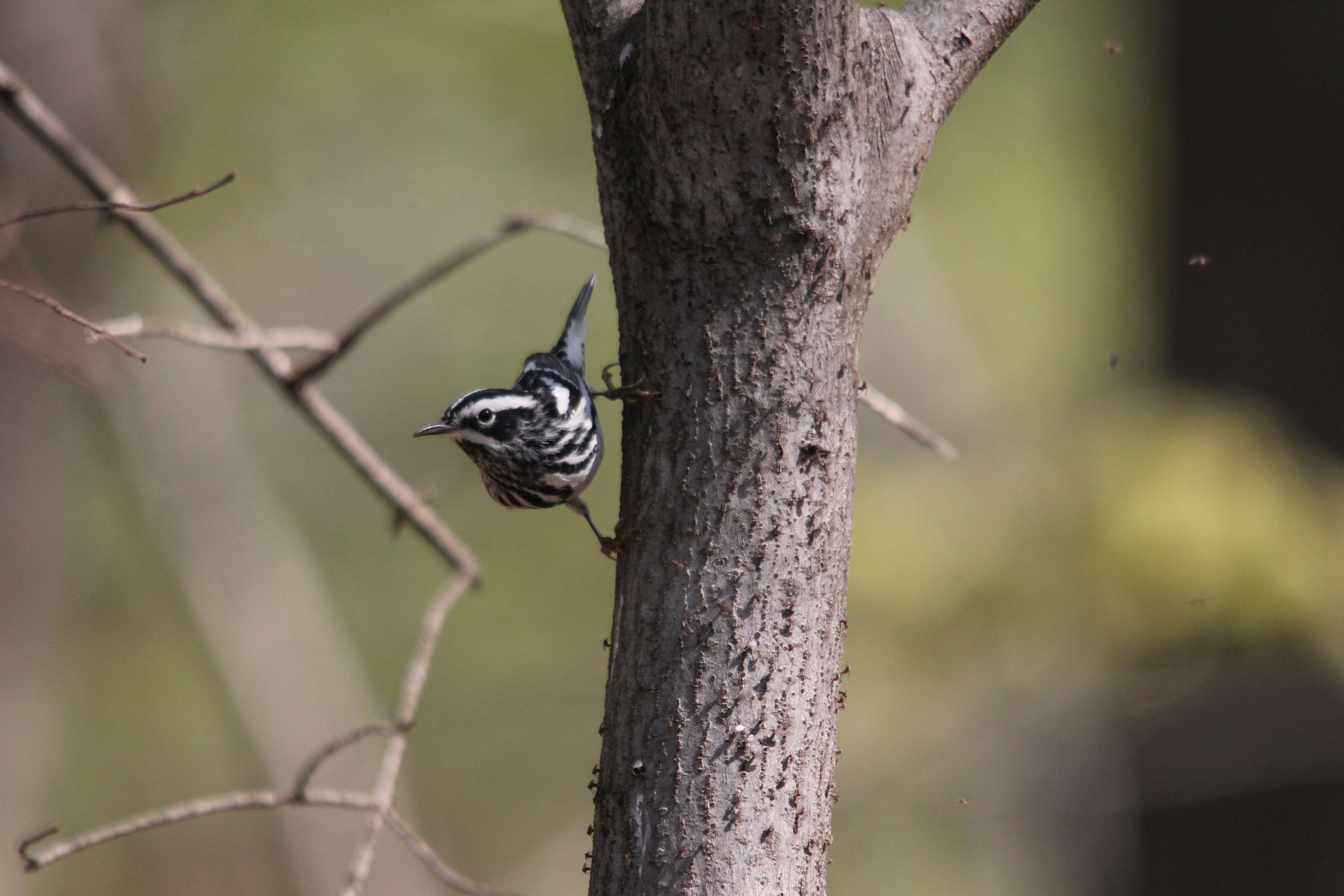
Nashville Warbler (1), Blue-winged Warbler (2), Chestnut-sided Warbler (1), Northern Parula (10+), Yellow Warbler (2), Prairie Warbler (1), Palm Warbler (1), Magnolia Warbler (4), Yellow-rumped Warbler (10+), Black-throated Green Warbler (10+), Black-throated Blue Warbler (10+), Bay-breasted Warbler (1), Blackpoll Warbler (1), Black-and-white Warbler (10+), American Redstart (10+), Common Yellowthroat (5+) , Ovenbird (10+), Hooded Warbler (1).

Yellow-throated Vireo (1), Blue-headed Vireo (3), Red-eyed Vireo (5), Warbling Vireo (5)

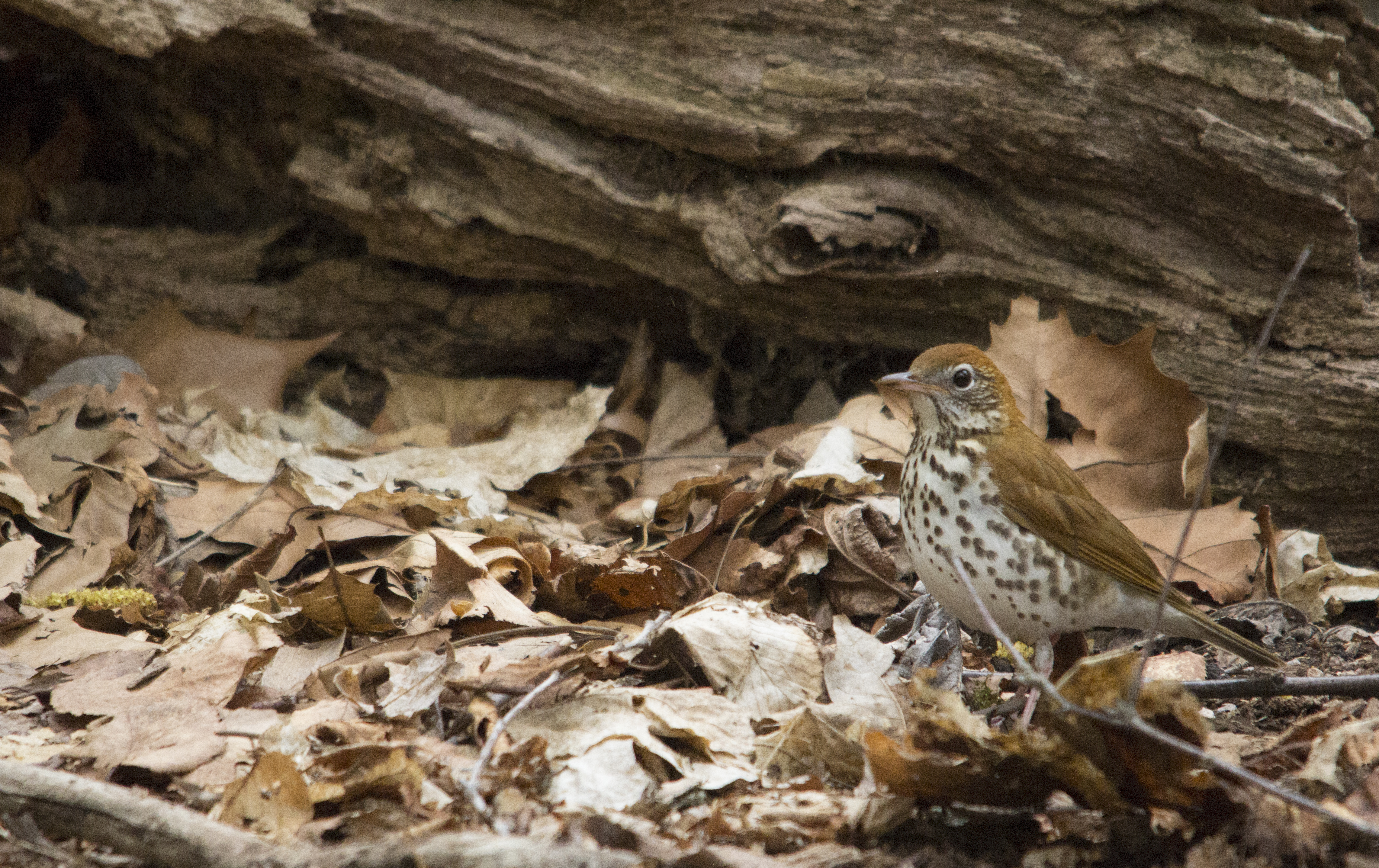
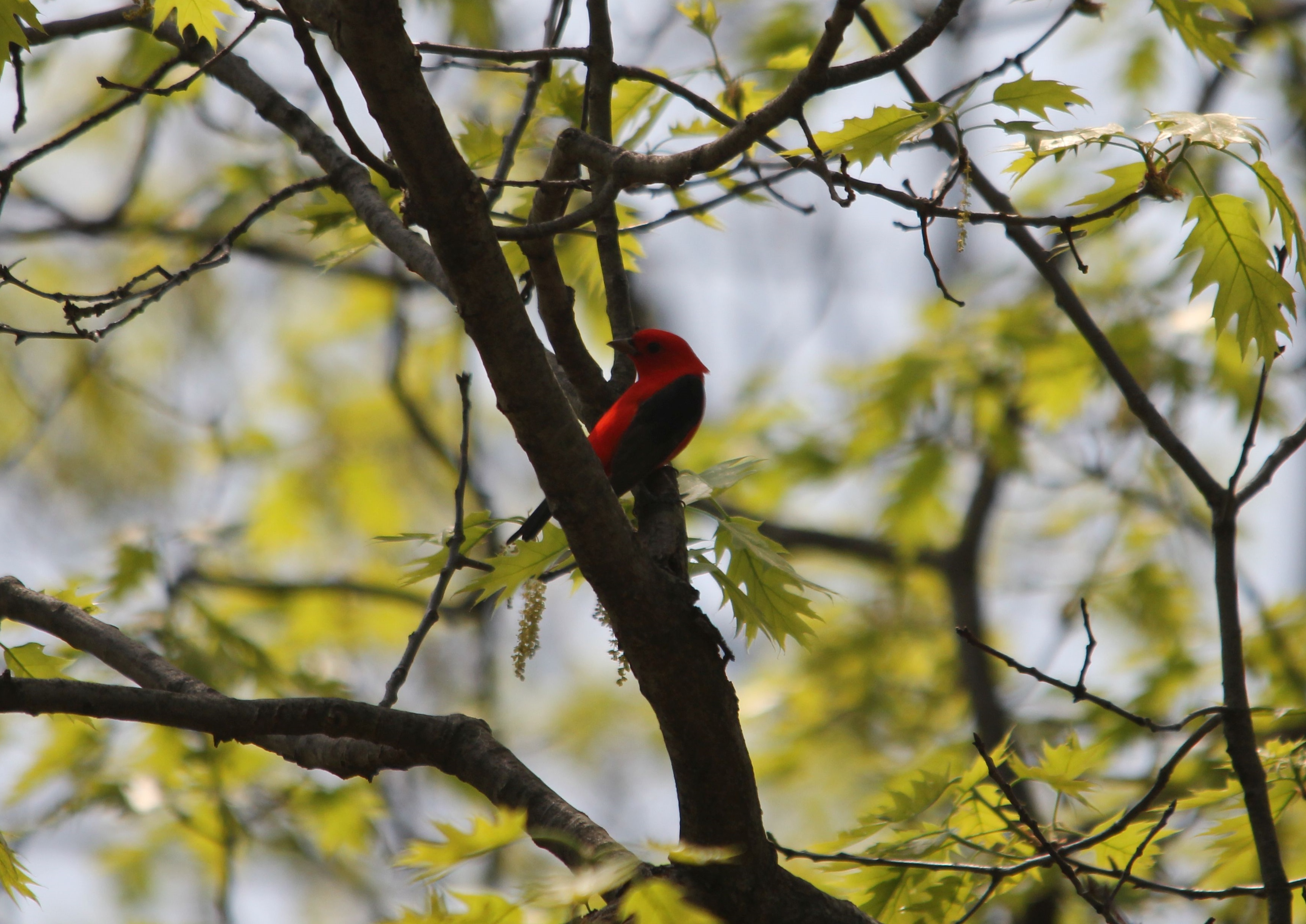
Both Baltimore and Orchard Oriole, Scarlet Tanager and Rose-breasted Grosbeak. Many Veery and Wood Thrush a single Swainson’s Thrush.

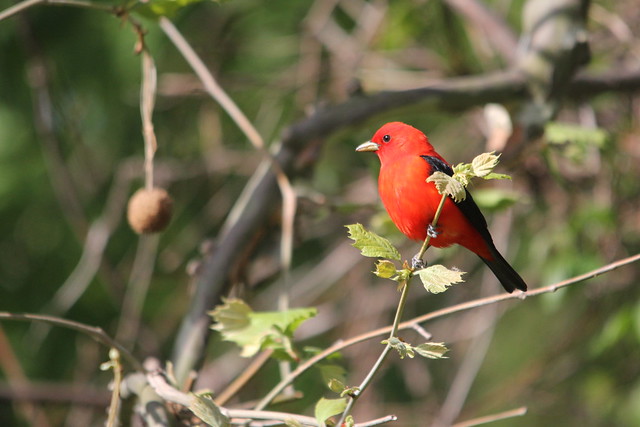
Scarlet TanagerScarlet Tanager

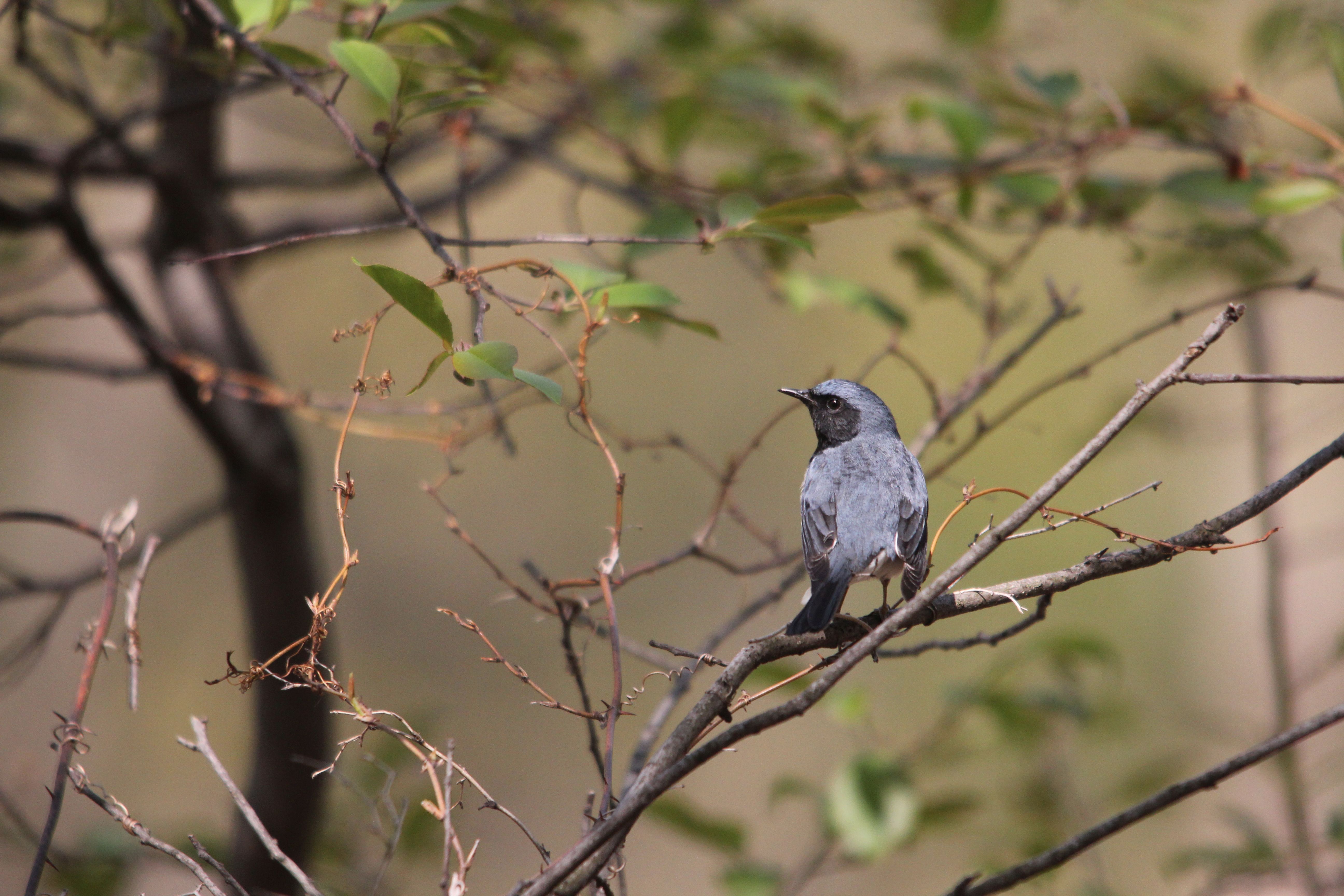
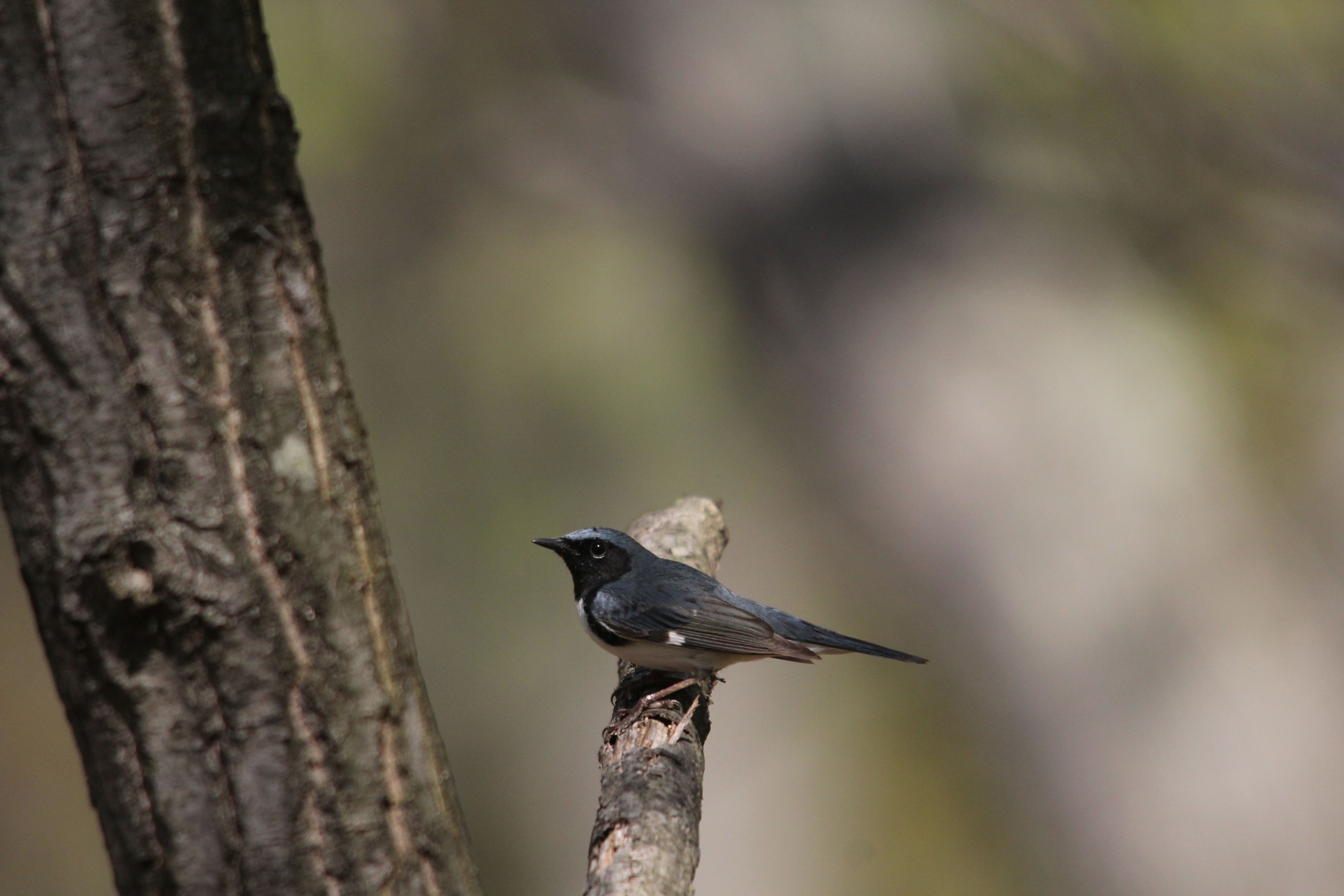
Black-throated Blue WarblerBlack-throated Blue Warbler

Bay-breasted WarblerBay-breasted Warbler

 More Pics at our Flickr Site!

Full Story »

Migration…Finally…

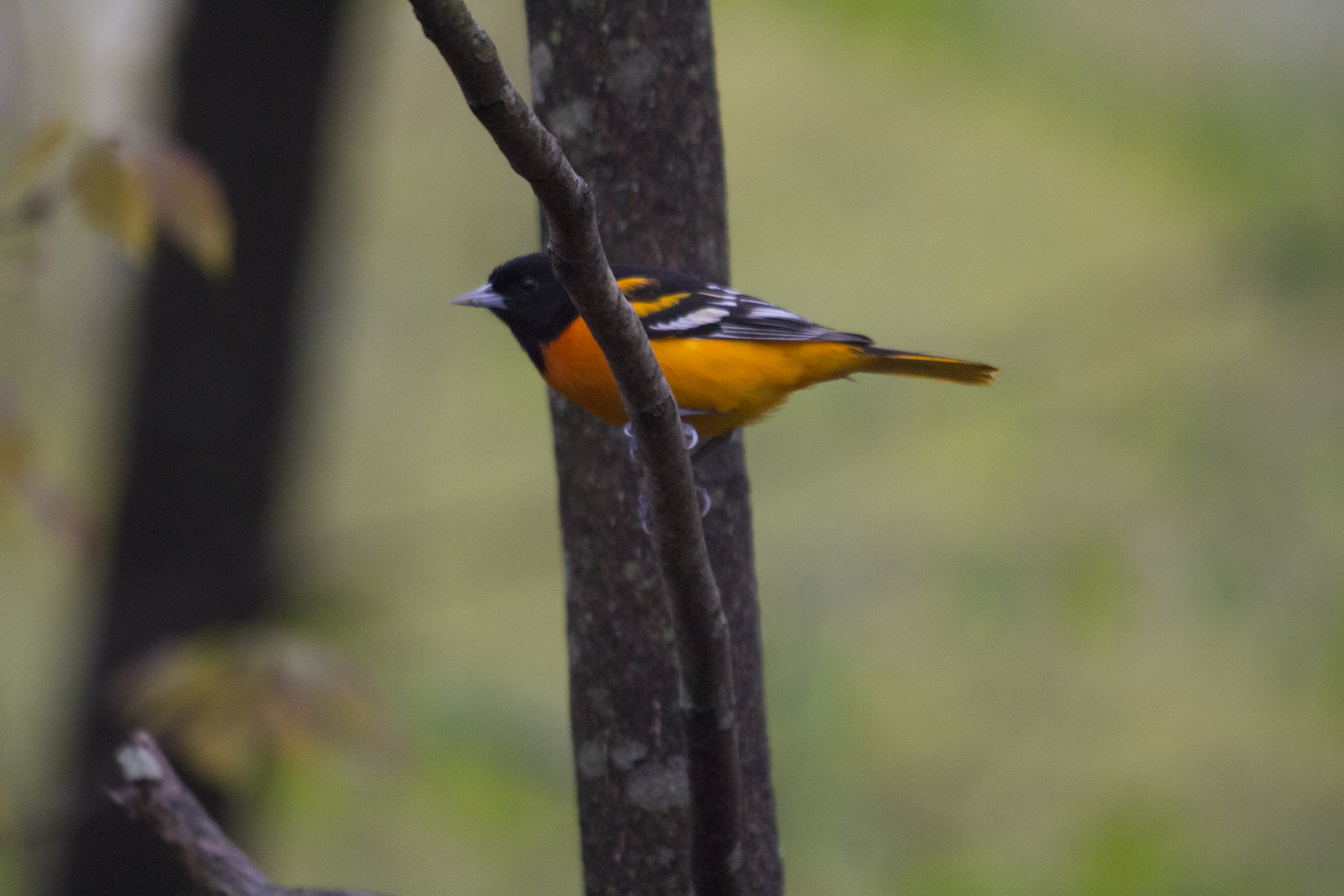
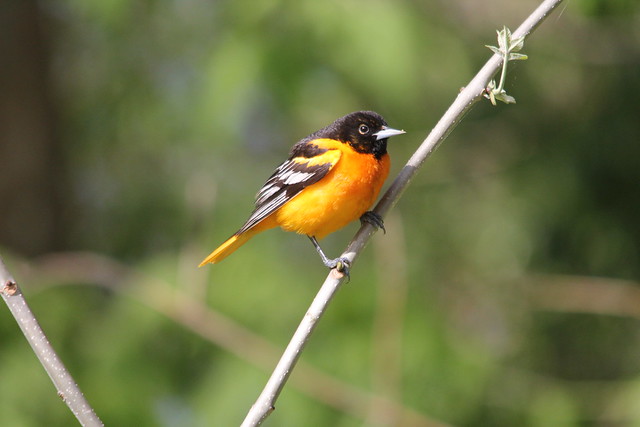
Baltimore Oriole
Baltimore Oriole
It has been a very slow start to the expected heavier migration into the Northeast this year.  The big movements of birds usually kicks off in the waning days of April or the first week of May. Unfavorable conditions (a migration sucking high pressure system and inclement weather in the southeast), had diverted birds west (based on discussions by much more qualified people than myself) or had them staged waiting in the southern half of the country.  The story can be seen unfolding over @ Woodcreeper.com (check my previous year’s recommendations of David La Puma’s excellent work) and Tom Auer’s contribution to the Migration via Radar forecast, at his personal blog covering the Northeast.  I check these regularly and was ecstatic to see today hope for a big push finally come to release the birds into our waiting migrant “traps.”

Black-throated Blue Warbler
I was optimistic even with the possibility of rain. It has been so slow I had reserved to bird from the car if need be to finally get a look at some new travelers! Not long did I wait as I drove into Garret.

Blackpoll Warbler
Blackpoll Warbler
I like entering the park at the high side and then driving down and around the mountain, listening for the participants that may be in store for the day.  For the last week and a half I was met with Robins and a whole lot of silence on this drive in.  Today was different (admittedly the build up here is a bit theatrical but its two weeks late! :) ), and I heard Black-throated Green Warbler and Northern Parula along with Baltimore Orioles welcoming me in. YES. I started out on Wilson Ave to a huge flock of birds that were on the slope at the end of the main road. I heard Black-throated Blue Warblers and more Parula and many Ovenbird. I got on the Blues and the aforementioned  Black-throated Green Warblers along with a surprising multiple Blackpoll Warblers (usually a later warbler, but with this years pattern tough to say) singing  away. Palm Warbler, Black-and-White Warbler, Yellow-rumped Warbler, American Redstart and Yellow Warblers were present here.

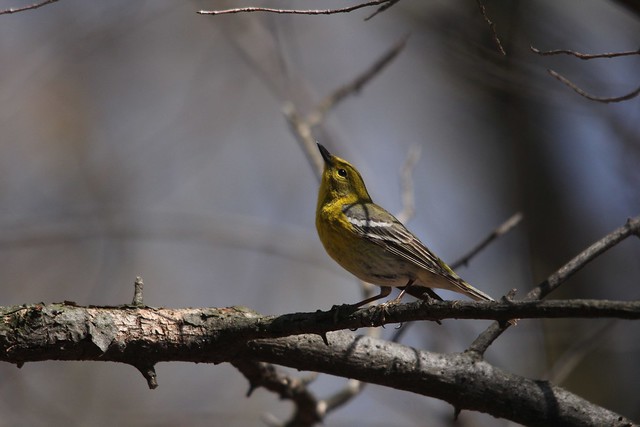
Prairie Warbler
Prairie Warbler
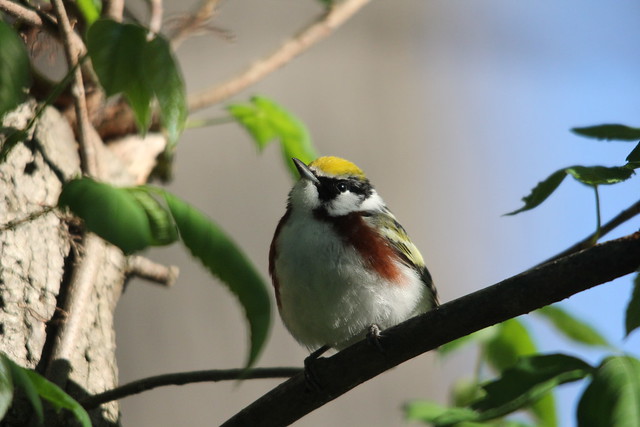
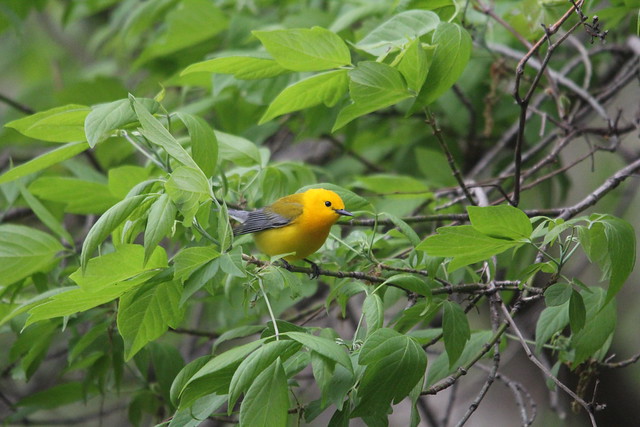
The rest of the walk around Garret was full of birds with the Baltimore Orioles in in force and a pair of Orchard Orioles.  We had Scarlet Tanagers and Great-crested Flycatchers and the pond held a Yellowlegs a Spotted Sandpiper and a Solitary Sandpiper.  The resident Killdeer parents ushered around 4 babies that escaped all the water and the Common Yellowthroat seemed just fine with the conditions. (Mostly males only 1 female seen all day).  Further up above the tiered lot we had multiple male Scarlet Tanagers and the GC Flycatcher along with my only Chestnut-sided Warbler of the day and a Nashville Warbler. A final pass around Barbours pond produced a single male Prairie Warbler along with more Veery and Wood Thrush also moving in heavier. Notable misses were no Rose-breasted Grosbeak for me (other reported) and no Northern Waterthrush (others had) or Magnolia Warbler which would be expected. I am sure they will be soon found in the days to come as the weather should keep the park busy and the weekends forecast looks bright. My favorite time of year has arrived and although late, as the saying goes, better late than never!

Some pics from this past week and today:

Orchard Oriole
Orchard Oriole
American Redstart
American Redstart

 More Pics at our Flickr Site!

Full Story »

April 26th, 2013 – Garret Mountain

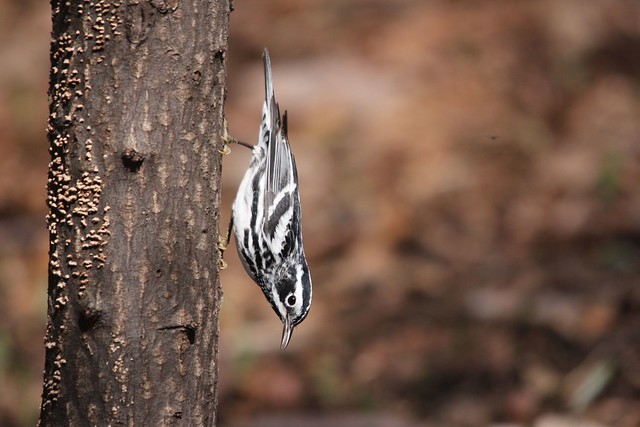
Black-and-White Warbler

 Black-and-White Warbler

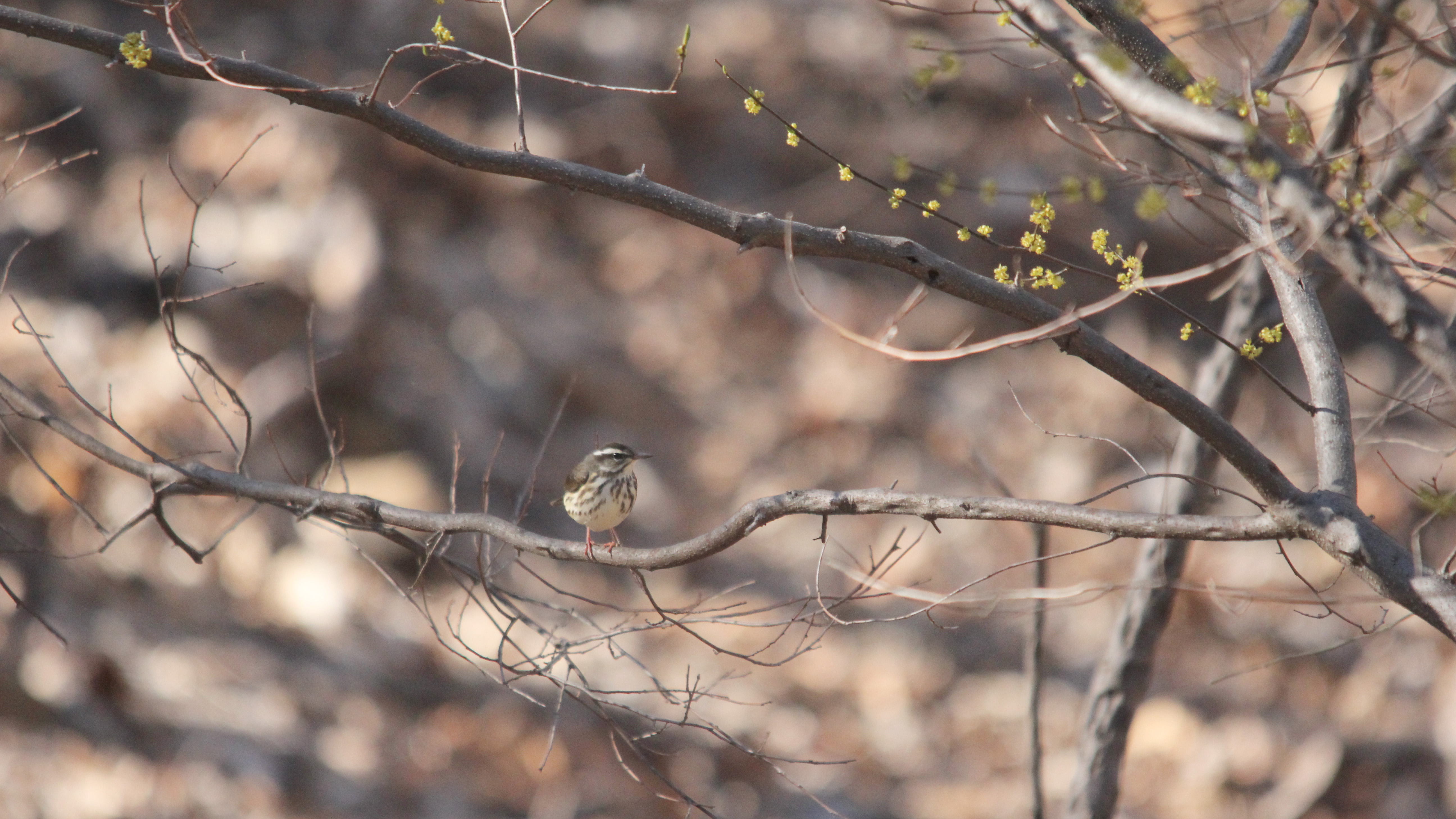
Another nice day at Garret. Still waiting for the next big push of migrants to bring in the variety of Warbler and Orioles and Grosbeaks. With some southern winds coming after days of northern winds (presumably a warm front coming in after a semi-cold front) I am hoping this weekend should bring some new migrants in.  Today had a FOS (First of Spring) Baltimore Oriole (1) and Louisiana Waterthrush (I missed the early weeks at Garret when they are regular). Also had quite a few Black-and-White Warblers again along with Palm Warbler and Yellow-rumped Warblers. Had Warbling Vireo singing (yesterday was FOS) and quite a few Blue-headed Vireo still around. Had a great look at a Broad-winged Hawk near the top of Garret which was awesome. Reports of single Northern Parula and Black-throated Green Warbler are as expected (I missed these) and I hope to see them this weekend too!

A few more pics from today.

Broad-winged Hawk

Broad-winged Hawk
 
Louisiana Waterthrush

Louisiana Waterthrush

Swamp Sparrow

Swamp Sparrow

Full Story »

Spring is Back…Garret Mountain – April 24th, 2013

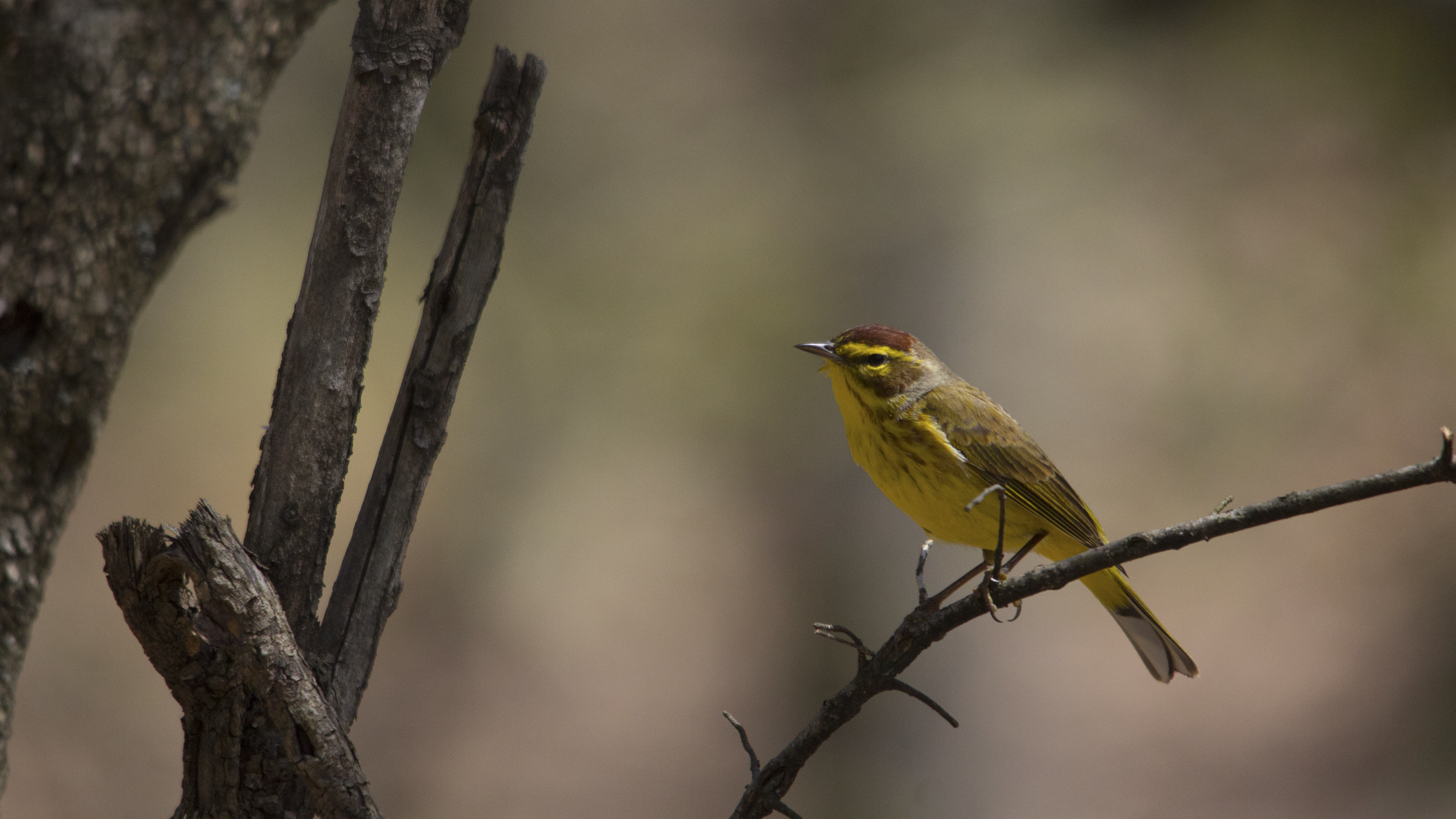
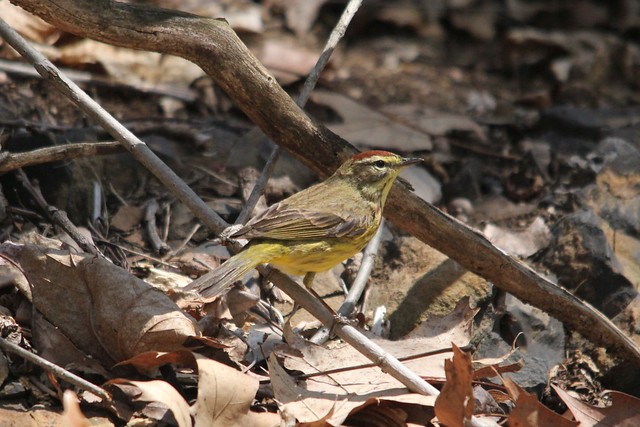
Palm Warbler
Palm Warbler

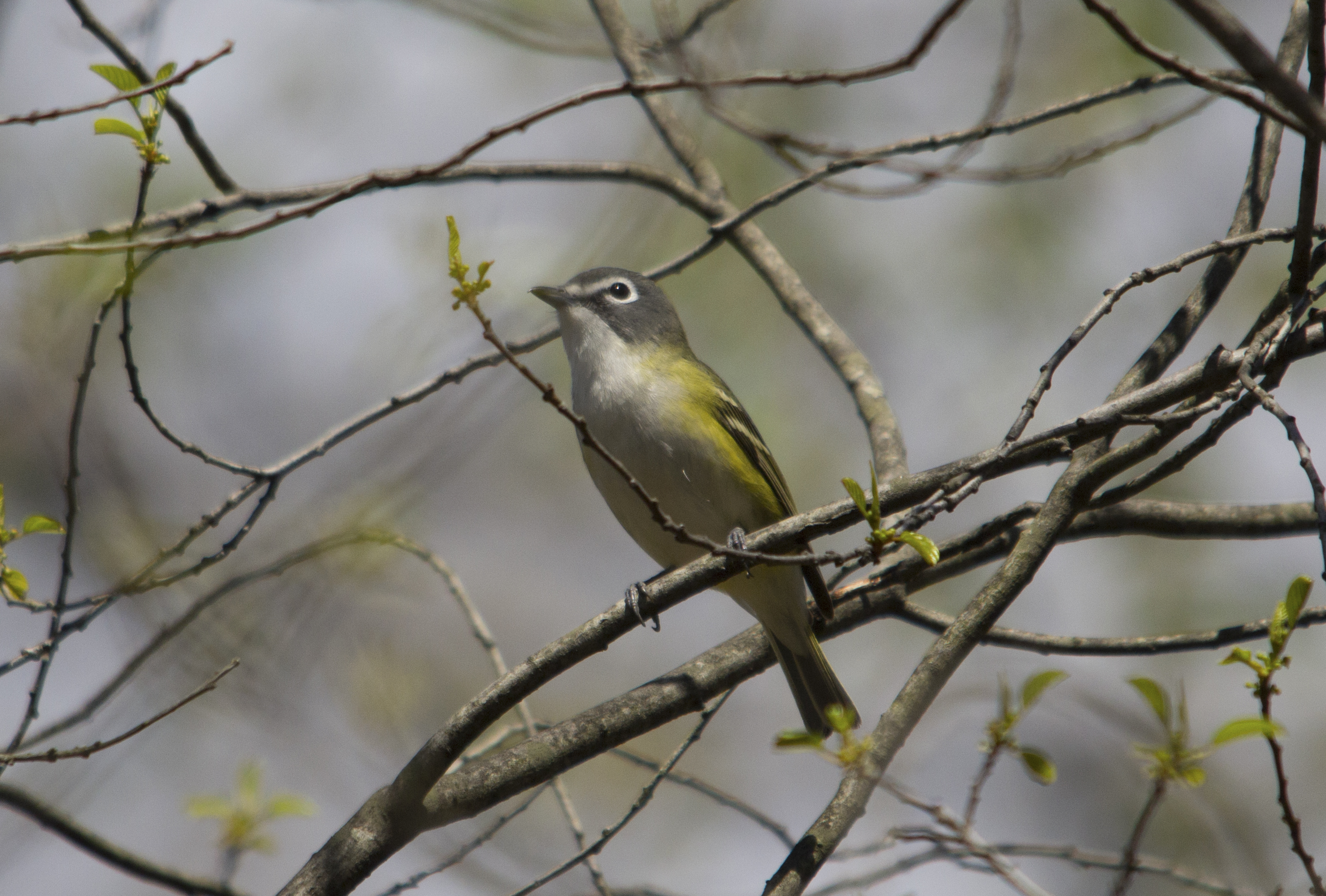
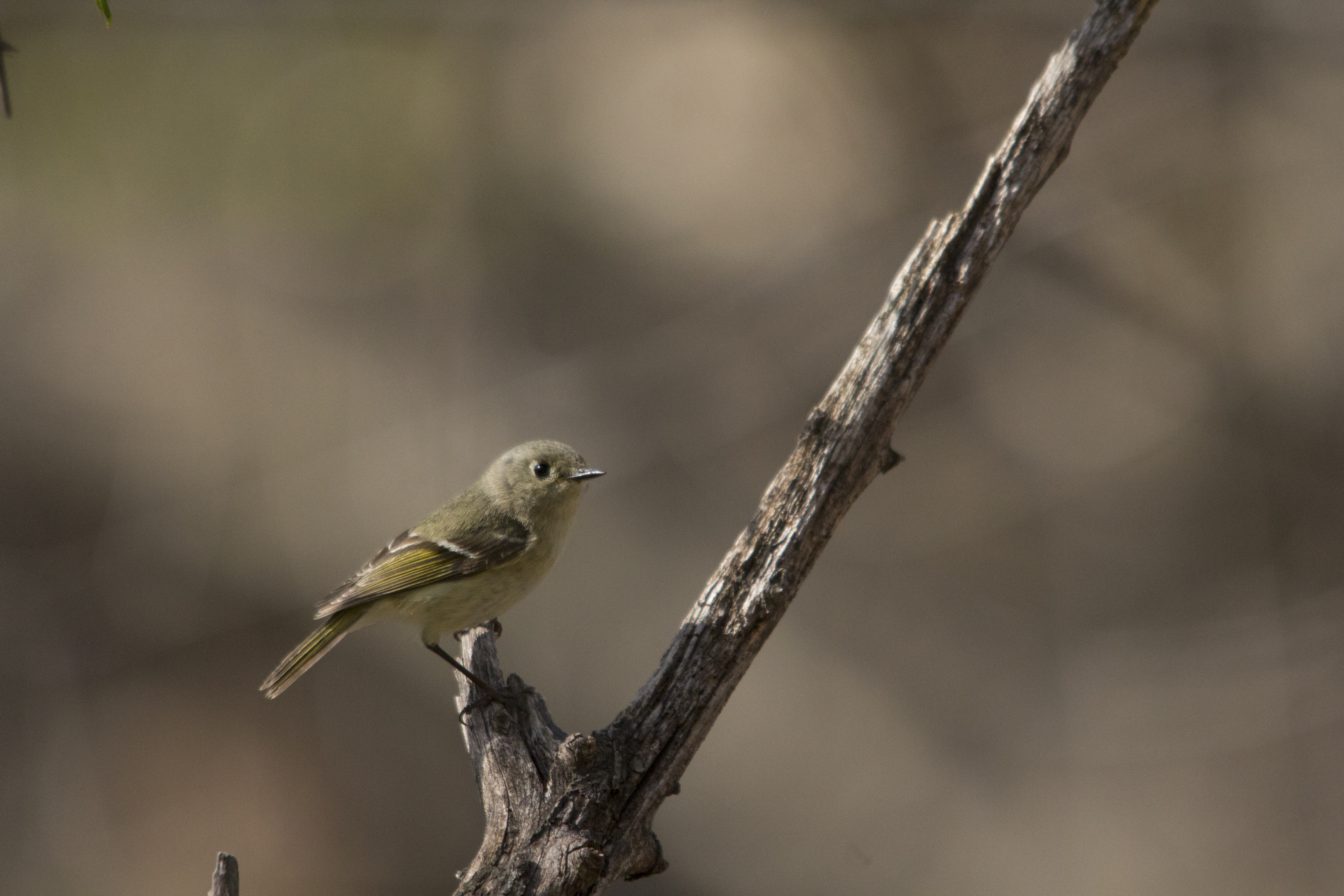
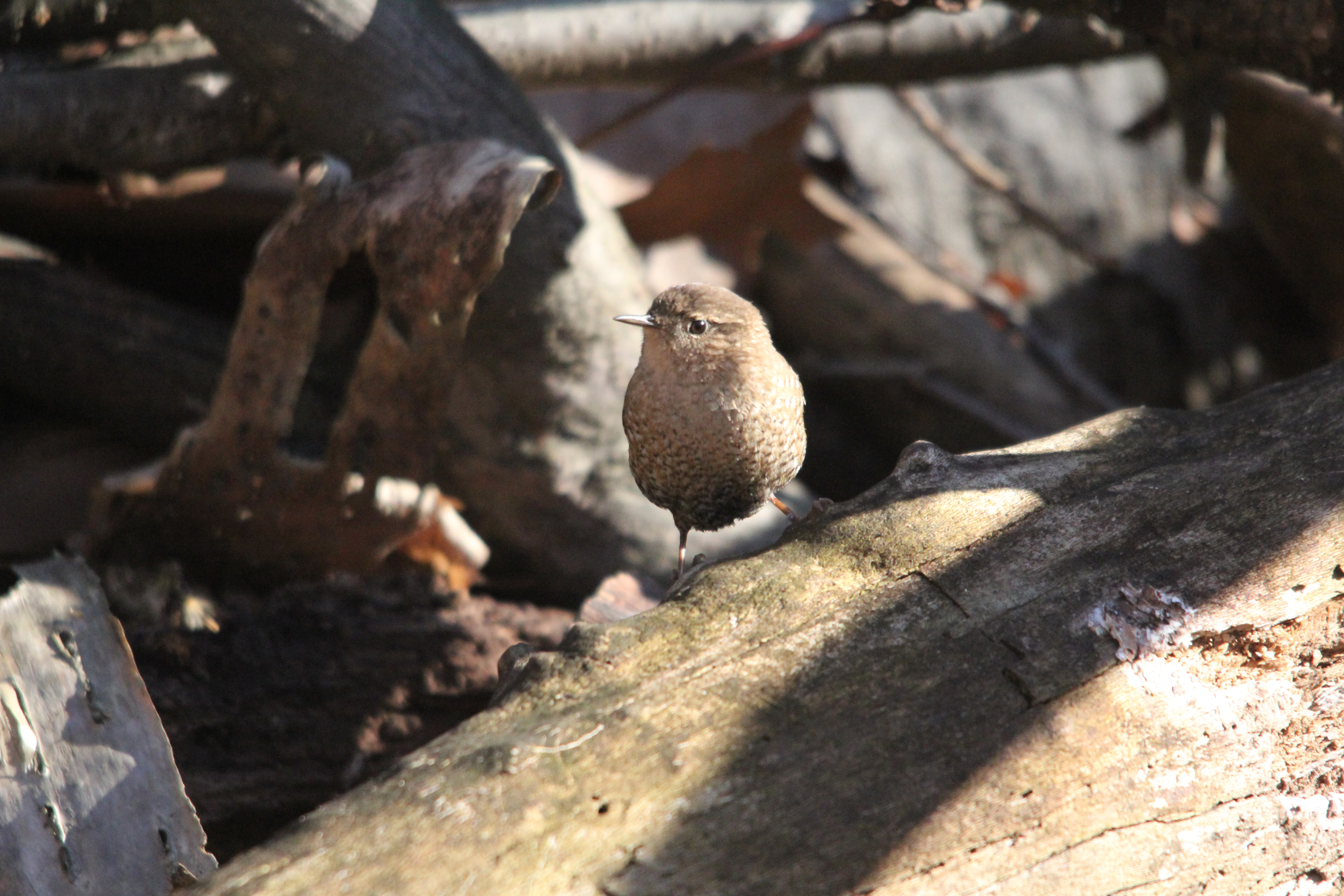
Nice grouping of the usual’s for this time. I had two Blue-headed Vireo and a number of Palm, Yellow-rumped and Black-and-White Warblers and heard an Ovenbird. There were reports of Black-throated Green that I did not see. Winter Wren, Blue-grey Gnatcatcher, Ruby-crowned Kinglet and a Pileated Woodpecker were also seen. Over the next 14 days Garret Mounting will turn into migration super highway and this calm before the storm is exciting! My absolute favorite migration trap in New Jersey in the Spring! Happy its back again.

Blue-headed Vireo
Blue-headed Vireo

Full Story »

Info Post – The World’s Rarest Birds

 photo 0a3565d5-88c4-4961-87c3-02d288896cf9_zpsbc51fbbb.jpg

With the arrival of Spring my mind once again returns to thoughts of tracking down wonderful and elusive birds.  While often those birds are local, I have allowed my mind to start wandering to places beyond.  Inevitably, the more experience one gets as a “birder” the more one yearns to learn about birds from around the world.  As you start to gain knowledge of these rare birds, you begin to understand the threats they face for survival and the amazing conservation efforts in place to help support them and their habitat. Threatened birds all over the world face similar challenges, and the best of us rise to face these challenges in the any way we can. To that end, Princeton Wild Guides (publisher), to help support BirdLife International‘s Preventing Extinctions Programme, have produced an outstanding book by Erik Hirschfeld, Andy Swash, and Robert Still entitled The World’s Rarest Birds.  The book highlights over 500 of the most critically endangered birds globally and is a dramatic collection of pictures, statistics (endemic densities, localized and global threats, and most impressively QRC codes for each bird that route you to the relevant species factsheet on BirdLife International’s website) and population information.

While I found the book amazingly detailed, I personally have little experience with most of the birds described (I did see one of the North American representatives in the highly localized Golden-cheeked Warbler in my trip to Texas in 2011).  I hope, over the rest of my life, to rectify that problem.  Jeanette and I took part in such an activity this past Fall in a trip to Hawaii.  Hawaii has an amazing ecosystem and its endemic birds are incredibly threatened by dwindling habitat and disease from Mosquitoes and human introduced animals to the archipelago.  It was an amazing experience for us and we were lucky enough to see and photograph two stellar representatives of this highly threatened group in the ‘Akikiki on Kaua’i and the Akiapola’au on the Big Island.  I was happy to find them listed and sad to be reminded of their plight.

If you are like me, it is hard not to get attached to the birds we seek out and it is impossible to avoid the predicament they face in the modern developing world.  Do yourself a favor, and become personally aware of the conservation priorities associated with the birds we have such a passion for. Learn not only more about the threats they face, but also more about the amazing birds themselves each at the edge of a dwindling populace around the globe.  Its a great read and a exceptional contribution the the global Ornithological community. Check it out!

Full Story »

Tufted Duck – Thundergust Lake, Pavin State Park – New Jersey

Went down for the reported Tufted Duck and was not disappointed.  The duck was easily visible from the path that circles it although the lighting made viewing tough at some points.  My interpretation throughout was the Tuft was obvious and the all white flanks separated it from the surrounding Ducks. It seemed to me to sit a little lower in the water too.  Awesome bird!

Tufted Duck

Full Story »

Pink-footed Goose and Barnacle Goose – East Windsor, New Jersey

Pink-footed Goose

I decided for lunch, to see if I could get to the Pink-footed Goose and Barnacle Geese in East Windsor, New Jersey.  These guys aren’t too far from my house and with the opportunity for these rarities after the Northern Lapwings yesterday I had to give it a shot. With many birders in the area for the Lapwings there were a lot of eyes reporting their findings this morning so I knew I had a good shot if I got there in decent time.

Sure enough, 2 Barnacle Geese were together in a corn field on a corner with Birders watching and I was directed right around a tree row to the waiting Pink-footed Goose! Not a bad week of Birding in New Jersey.

Barnacle Geese

Barnacle Goose

Barnacle Goose

Pink-footed Goose

Pink-footed Goose

Full Story »

Northern Lapwing – New Egypt, New Jersey

Northern Lapwing

I was browsing the NJ List today and lit up after seeing a post from Shari Zirlin (Thanks Shari!) report not 1 but 3 Northern Lapwings in New Egypt, New Jersey! I had struck out on the one in MA last month so I had to try for these guys.

When I got there a line of birders were enjoying the three birds in the back (WAY back, as evidenced in the badly cropped photos) of a muddy field along with two Sandhill Cranes in the field next to it! Thankfully scope views were much better and I watched the birds for some time. Awesome bird!

Sandhill Cranes

Sandhill Cranes

Northern Lapwings

Northern Lapwing

Full Story »

Townsend’s Warbler, King Eider, Razorbill, Black-legged Kittiwake, Western Tanagers (X2!)

Western Tanager
Western Tanager
With some vacation time left to use or lose with work, I decided to try for some of the recent rarities reported in/near Cape May. I started the morning off at Cape May Point looking for the on-going, rare western visitor, Townsend’s Warbler.  A couple laps around the Yale block and I finally got a nice look at it in the entry way parking lot right across from the lighthouse.  It didn’t stay long and I was bummed not to get a photograph (I stayed for quite a while after trying to re-find it with no luck) but excited to actually see it.

Then, I headed towards the beach by the St. Mary’s dune platform to look for a reported King Eider. I hadn’t seen King Eider in NJ, and the previous day also had reports of Dovekie and Razorbill from this location, so my interest was high.  The King Eider (along with 4 other Eider) was drifting not far off the beach when I arrived, and there were a group of sea watching birders all heavily scanning the horizon.  Apparently, a possible Pacific type Loon was seen before I got there and birders were hoping it showed again.  While there, I saw quite a few Razorbill (at least 5 in the short time I was there) while a mentioned total for others was in the 20s .  I also got a good look at a Black-legged Kittiwake (others there had seen 3-5, and this was the only one I have ever seen from shore) in the distance approaching a fishing boat along with quite a few Red-throated Loon and Scoter. We also had an interesting event with a dark bird that apparently died or was injured that sort of spun and landed that proceeded to float past our location. No one was quite sure what it was but it could have been an alcid or a land bird of some sort even.

Finally, I headed out of town and decided to stop by Cape May Courthouse for a reported Western Tanager. When I arrived the bird had been seen but it was mentioned that this might be a second bird as it was a female or at least, not the bright male that others had seen. I actually got to see both birds actually with the bright male working a tree right by the intersection of  West Hand and Dias Creek Road. Awesome! Also had two Yellow-bellied Sapsuckers working the same tree. Not a bad day at all thanks to good info from NJ Birders!

Yellow-bellied Sapsucker

Second Tanager
Western Tanager (2)

Full Story »